Northwestern Qatar at
Related News
Video Highlights
View this post on Instagram
View this post on Instagram
View this post on Instagram
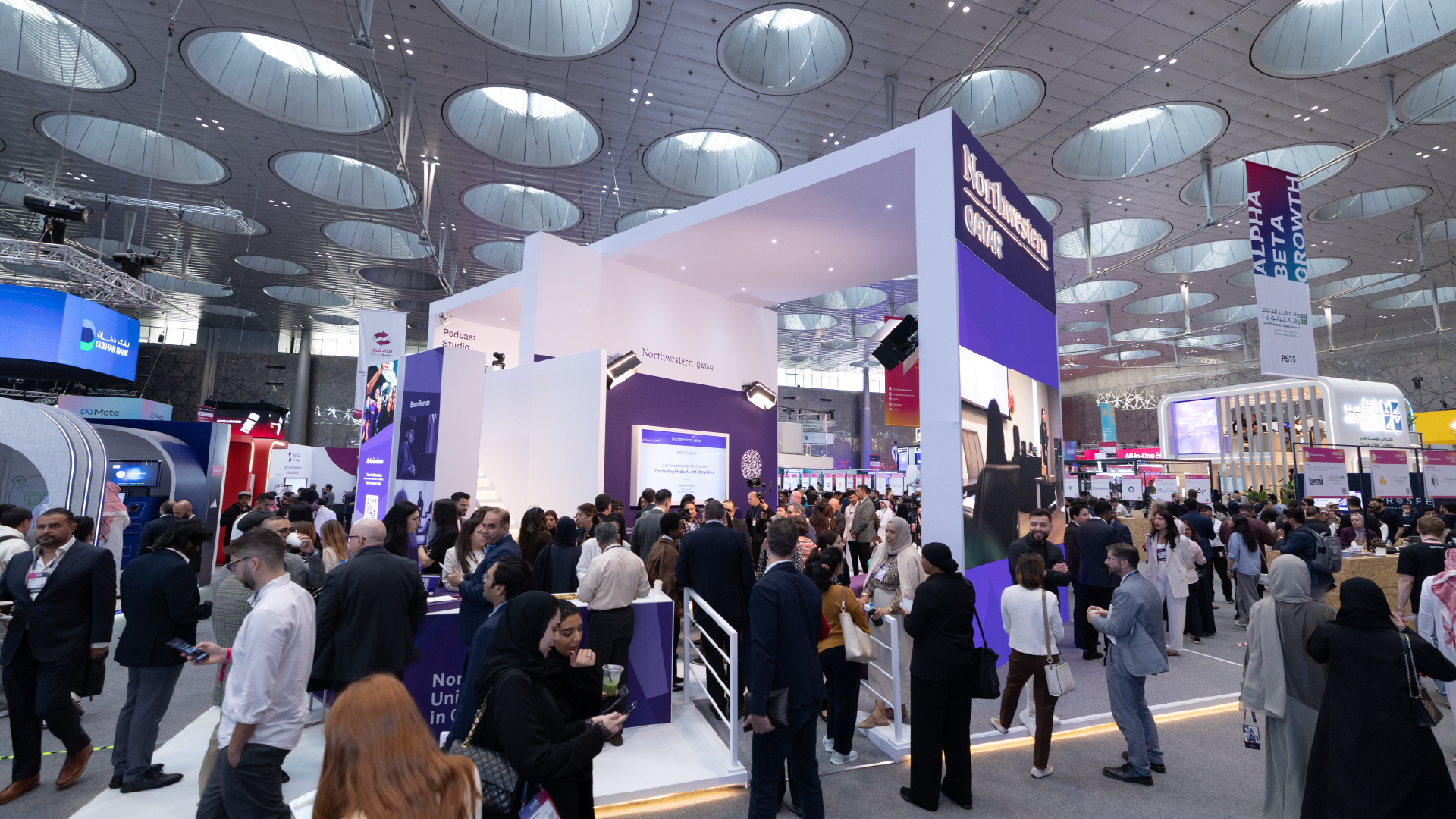
February 2-4
Stand: #E428
Doha Exhibition & Convention Center (DECC)
Browse below for our full schedule and programs.
View this post on Instagram
View this post on Instagram
View this post on Instagram
Northwestern Qatar's program at Web Summit Qatar 2026 at a glance.
Click on an event to get more details.
Dialogues of Impact
Dynamic conversations that bring together NU-Q leadership, global thinkers, and industry innovators to explore the forces shaping media, technology, and society.
Learning in Motion
Fast-paced, interactive micro-classes where faculty, students, and alumni translate academic insight into real-world practice through 20-minute experiential sessions.
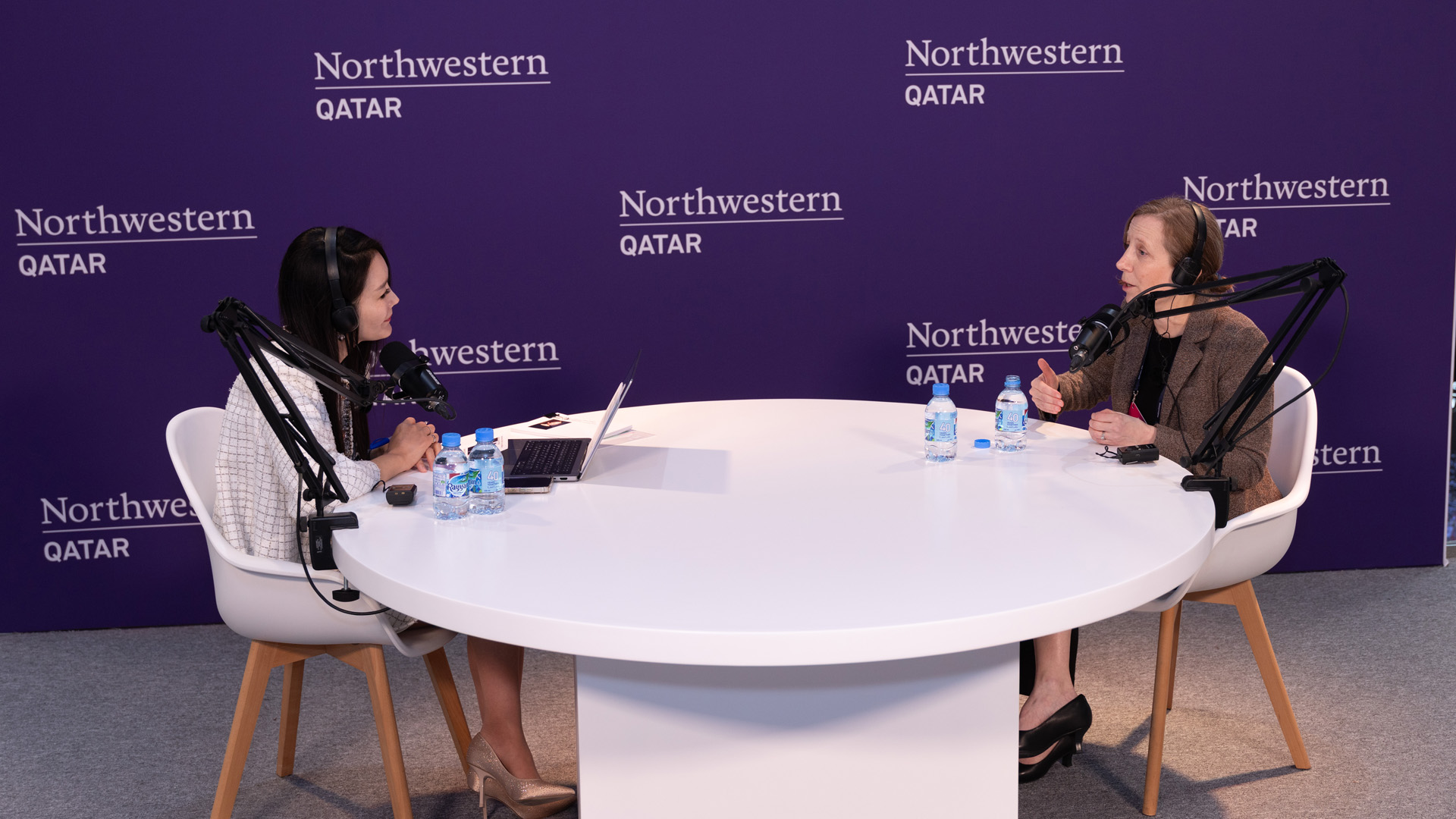
Podcast Studio & Live Conversations
Live and recorded podcast sessions featuring NU-Q faculty, visiting speakers, and industry voices—designed for real-time engagement and extended reach through post-event distribution across NU-Q and partner platforms.
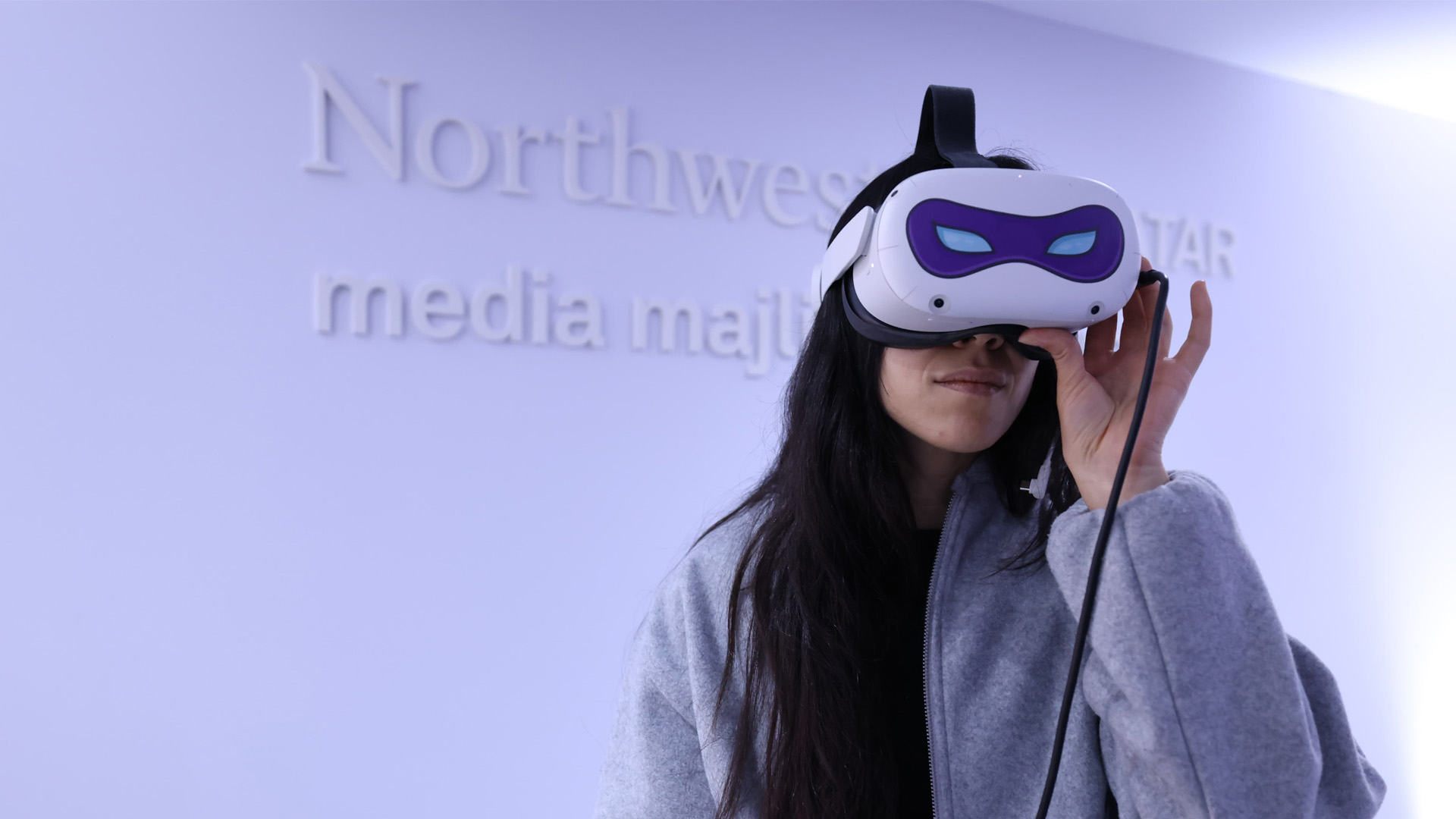
Media Majlis Museum
An experiential showcase featuring live demos and a Media Majlis Museum experience zone—spotlighting NU-Q’s creative production, digital storytelling, and curatorial excellence
Front of House Booth
Faculty, staff, and students stationed at NU-Q's Front of House Booth to welcome visitors, answer questions, and guide attendees through programming across the Main Stage and Podcast Studio.
| Time | Monday, February 2 | Tuesday, February 3 | Wednesday, February 4 | |||
|---|---|---|---|---|---|---|
| 9:00 a.m. | AIM Lab (Artificial Intelligence and Media Lab) | AIM Lab (Artificial Intelligence and Media Lab) | AIM Lab (Artificial Intelligence and Media Lab) | |||
| 10:00 a.m. | Admissions | Admissions | Admissions | |||
| 11:00 a.m. | ||||||
| 12:00 p.m. | #IAS_NUQ (The Institute for Advanced Study in the Global South) | #IAS_NUQ (The Institute for Advanced Study in the Global South) | #IAS_NUQ (The Institute for Advanced Study in the Global South) | |||
| 1:00 p.m. | Admissions | Admissions | Admissions | |||
| 2:00 p.m. | Executive Education | Executive Education | Executive Education | |||
| 3:00 p.m. | ||||||
| 4:00 p.m. | ||||||
Northwestern Qatar's program at Web Summit Qatar 2026 at a glance.
Click on an event to get more details.
Dialogues of Impact
Dynamic conversations that bring together NU-Q leadership, global thinkers, and industry innovators to explore the forces shaping media, technology, and society.
Learning in Motion
Fast-paced, interactive micro-classes where faculty, students, and alumni translate academic insight into real-world practice through 20-minute experiential sessions.
Podcast Studio& Live Conversations
Live and recorded podcast sessions featuring NU-Q faculty, visiting speakers, and industry voices—designed for real-time engagement and extended reach through post-event distribution across NU-Q and partner platforms.
Media Majlis Museum
An experiential showcase featuring live demos and a Media Majlis Museum experience zone—spotlighting NU-Q’s creative production, digital storytelling, and curatorial excellence
Front of House Booth
Faculty, staff, and students stationed at NU-Q's Front of House Booth to welcome visitors, answer questions, and guide attendees through programming across the Main Stage and Podcast Studio.
| Time | Monday, February 2 | Tuesday, February 3 | Wednesday, February 4 | |||
|---|---|---|---|---|---|---|
| 9:00 a.m. | AIM Lab (Artificial Intelligence and Media Lab) | AIM Lab (Artificial Intelligence and Media Lab) | AIM Lab (Artificial Intelligence and Media Lab) | |||
| 10:00 a.m. | Admissions | Admissions | Admissions | |||
| 11:00 a.m. | ||||||
| 12:00 p.m. | #IAS_NUQ (The Institute for Advanced Study in the Global South) | #IAS_NUQ (The Institute for Advanced Study in the Global South) | #IAS_NUQ (The Institute for Advanced Study in the Global South) | |||
| 1:00 p.m. | Admissions | Admissions | Admissions | |||
| 2:00 p.m. | Executive Education | Executive Education | Executive Education | |||
| 3:00 p.m. | ||||||
| 4:00 p.m. | ||||||
10:00 - 10:30 a.m.
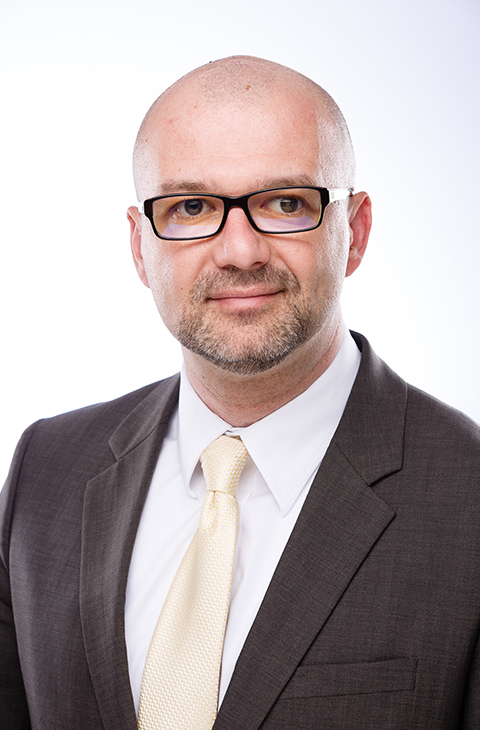
George Anghelcev
Professor in Residence
Northwestern University in Qatar
Temesgen Tewolde '22
Guest Speaker
Sports clubs, media organisations, and marketers have long tried to understand fan communities, but traditional approaches (surveys, interviews, focus groups) can be slow, limited in depth, and hard to generalise beyond small samples. This session introduces SCOPE-TRA , a large language model (LLM) protocol that analyses high volumes of fan-generated social media content to produce fan personas —data-driven profiles of distinct supporter subgroups surfaced directly from the data. Designed to be simple to use and requiring no technical expertise, SCOPE-TRA delivers richer insight at scale than conventional methods. The talk will outline the core steps and show how persona-based insights can support more targeted sports marketing and more meaningful communication.
Keywords: fan research, social media analysis, personas, LLMs, sports marketing
11:00 - 11:30 a.m.

Sjoerd Mol
Designer
Superposition
How do you make the abstract tangible? For the exhibition What's Between, Between?, design studio Superposition collaborated with the Media Majlis Museum to build interactive worlds. This session breaks down the journey from conceptual sketch to a live Unreal Engine environment. We move past the tech spectacle to explore a unique take on Gulf Futurism. Learn how a close partnership between curators, creatives and technologists can turn complex cultural themes into an immersive, visceral and above all personal experience.
11:30 a.m. - 12:00 p.m.
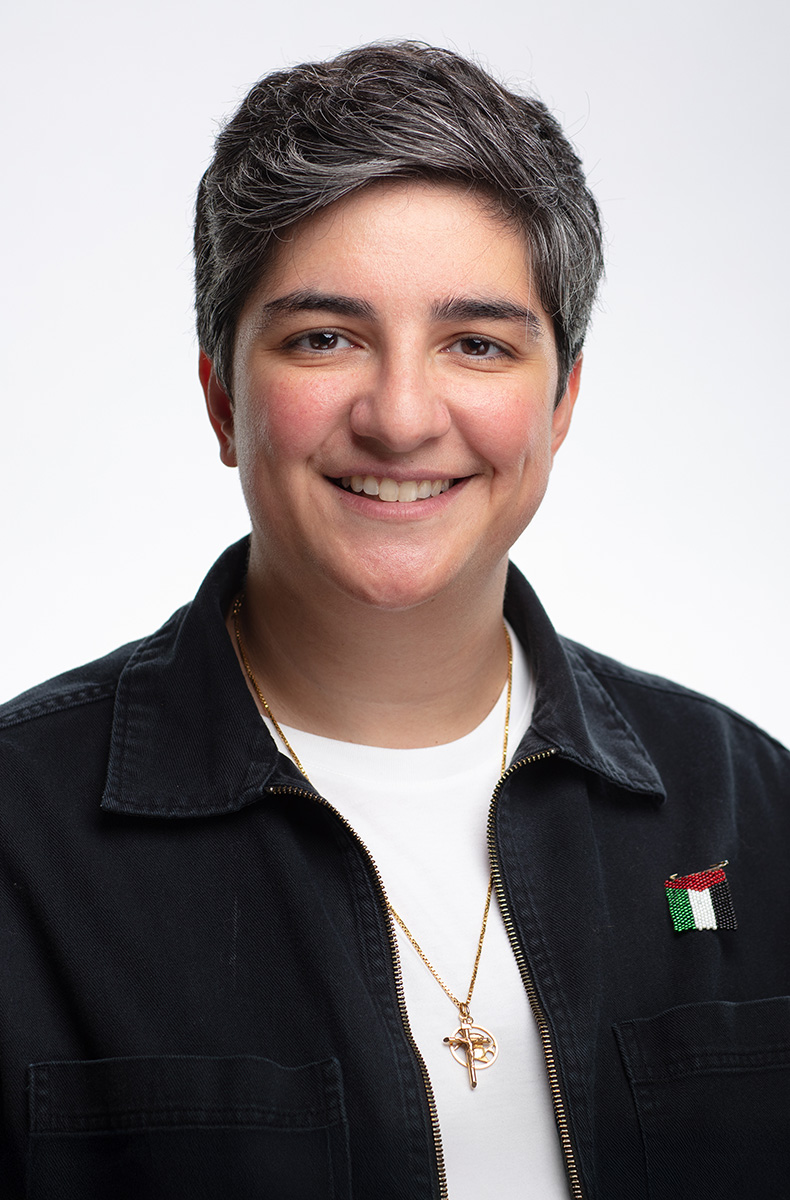
Dana Atrach
Assistant Professor in Residence
Northwestern University in Qatar
Interactive formats are now a core language of communication—shaping product onboarding, museum experiences, AI chat, and immersive brand activations. This session demystifies interactive storytelling by focusing on craft rather than technology, exploring how participation can shape responsibility, empathy, memory, and meaning. The talk introduces three simple "engines" of interactivity: choice (select a path), proximity (move closer to reveal layers), and conversation (dialogue systems). It concludes with a quick, live, no-tech micro-demo showing how different options can reveal values and character—not just change the plot.
Keywords: interactive storytelling, participation, agency, experience design, narrative craft, conversation design
12:00 - 12:30 p.m.
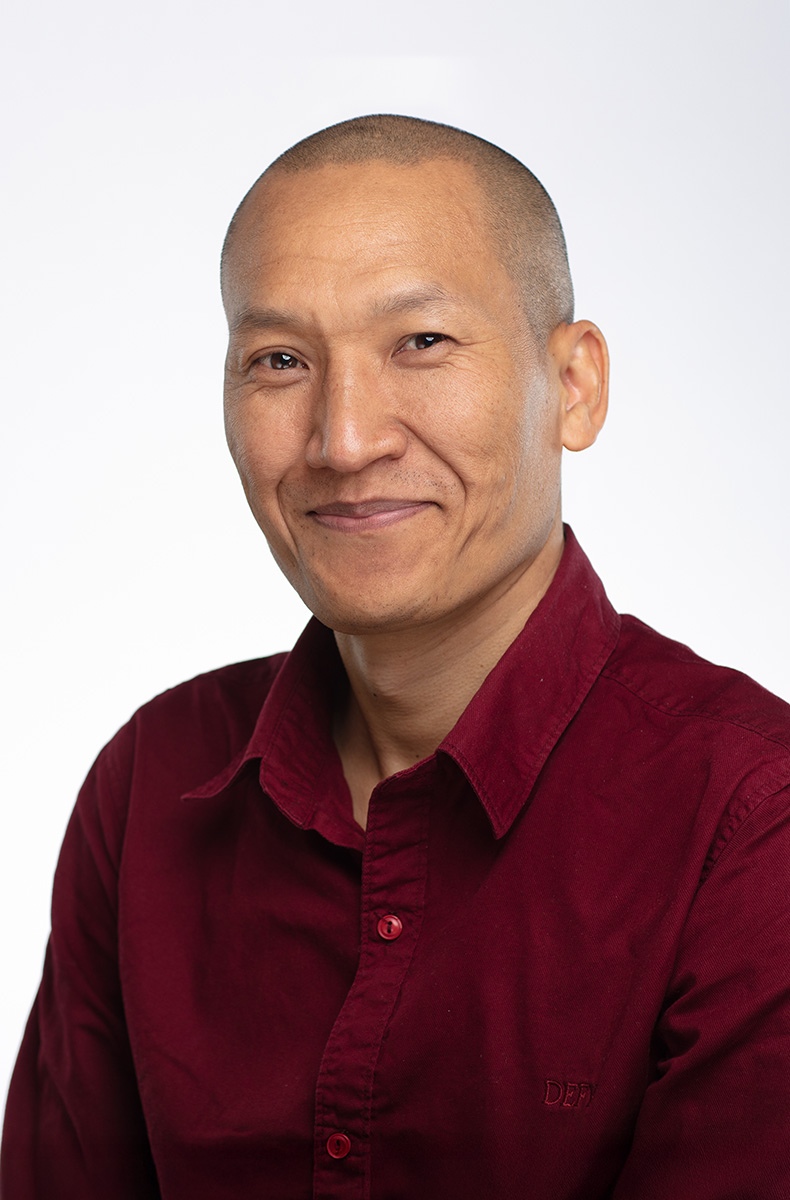
Harsha Man Maharjan
Global Postdoctoral Scholar, #IAS_NUQ
Northwestern University in Qatar
Digital IDs are becoming increasingly common across the Global South, helping governments and service providers confirm people's identities and enable access to services. These systems often rely on biometrics, unique ID numbers, and personal data. This talk examines the role of international actors—such as development agencies and large technology companies—in supporting national digital ID schemes. It asks: who are these actors, what are their interests, and what conditions or expectations can accompany their involvement? Drawing on evidence from Nepal, Sri Lanka, and Bangladesh, the presentation highlights how financial and technical support is shaping digital ID systems within wider development and digital economy contexts.
Keywords: digital ID, biometrics, development policy, Global South, international actors, digital governance, Nepal, Sri Lanka, Bangladesh
1:00 - 1:30 p.m.

Farouk Essalhi
Digital Multimedia Specialist, Media Majlis Museum
Northwestern University in Qatar
Every exhibition begins with an interpretation plan, themes, metaphors, and conceptual frameworks that shape the visitor experience. But this curatorial vision remains invisible, trapped in documents. This session demonstrates a new workflow: translating curatorial concepts into explorable 3D worlds using Marble AI (World Labs), then deploying them as immersive experiences on Apple Vision Pro.
Keywords: Generative AI, Creative Workflow, Campaign Development, Adobe Tools, Moodboarding, Visual Identity, Social Content, Creative Direction
1:30 - 2:00 p.m.
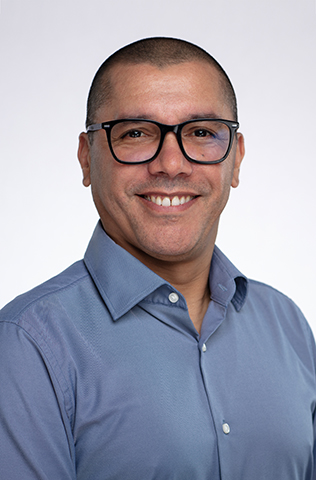
Ibrahine Mohammad
Professor in Residence
Northwestern University in Qatar
Government communication is changing quickly as AI becomes a practical tool that can support day-to-day work across ministries and departments—helping teams engage citizens more effectively and at scale. In the Gulf region, advances in AI offer opportunities to improve messaging, streamline workflows, and strengthen analysis and insight, reducing bureaucratic bottlenecks, and modernising communication functions.
At the same time, important challenges remain, including limited Arabic-language data, a shortage of professionals trained to use AI effectively, and public trust concerns linked to cybercrime and misinformation. This session outlines key trends, major risks, and best-practice approaches for using AI responsibly in government communications.
2:00 - 2:30 p.m.
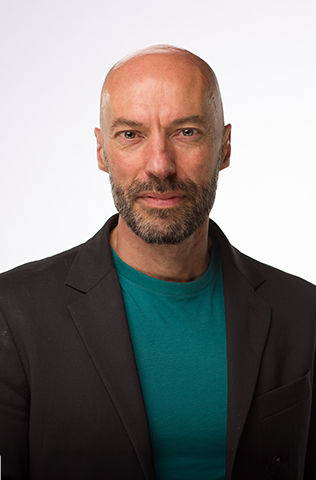
Alfredo Cramerotti
Director, Media Majlis Museum
Northwestern University in Qatar
At Web Summit Qatar 2026, the Media Majlis Museum presents Media Futures: Memes, Machines & New Realities, a three-zone interactive off-site exhibition that examines how media, technology, and storytelling are reshaping contemporary culture. Designed as a dynamic extension of the museum's research-driven practice, the experience positions the museum not only as an exhibition space, but as an active platform for learning, experimentation, and dialogue.
The Meme Zone explores the power and darker implications of viral culture through a curated stream of global memes, revealing how humor, politics, and misinformation travel across borders and influence public perception. The Machine Zone presents 20 real-world case studies that demonstrate how artificial intelligence and machine learning are transforming journalism, authorship, and information ethics, prompting visitors to question who controls truth in an algorithmic age. The New Realities Zone features the immersive VR film Remember This Place: 31°20′46″N 34°46′46″E, inviting audiences into deeply human stories of memory, displacement, and belonging.
Complementing the exhibition, the Media Majlis Museum will host a series of micro-workshops and short-format learning sessions at the booth. These hands-on activations, ranging from media literacy and public storytelling to AI ethics and digital creation, extend the exhibition's themes into participatory experiences.
3:00 - 3:30 p.m.
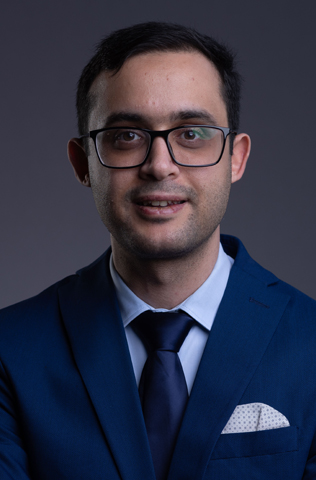
Zaid Almahmoud
Postdoctoral Scholar, AIM Lab
Northwestern University in Qatar
Social platforms face ongoing challenges in identifying harmful or unsafe content at scale. This session offers a practical introduction to how modern AI can support text moderation, using a lightweight Python workflow as a real-world example. The presentation walks through an end-to-end pipeline—from working with raw comments and preparing data, to selecting a model and evaluating performance—showing how AI-driven moderation tools can be built and tested efficiently.
Keywords: content moderation, NLP, text classification, Python, model evaluation, platform safety
3:30 - 4:00 p.m.
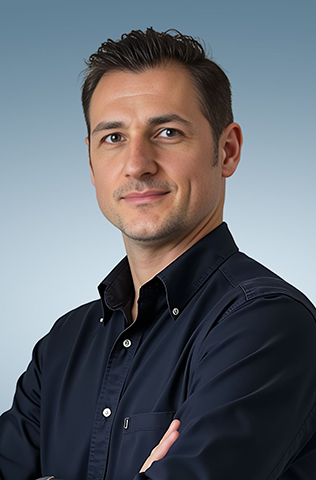
Spencer Striker
Professor in Residence
Northwestern University in Qatar
This session unveils Episode 1 of Legacy of Light: The House of Wisdom, an animated docudrama supported by the Doha Film Institute. The showcase features an exclusive screening of the pilot episode, bringing audiences into the world of Al-Khwarizmi and the intellectual surge of 9th-century Baghdad during the Golden Age of Science in the Islamic world.
Rendered in a distinctive "Poetic Noir Realism" aesthetic, the series blends rigorous historical storytelling with next-generation generative AI techniques—pushing what cinematic animation can look and feel like. Positioned as high-fidelity, evidence-based storytelling emerging from the Global South, this session serves as a launch moment for an ambitious new AI-powered series, following the momentum of earlier WSQ showcases that helped projects reach wider global audiences.
10:00 - 10:30 a.m.

Lila Hassan
Assistant Professor in Residence
Northwestern University in Qatar
A rising tide of threats poses significant challenges in the online environment—from identifying and responding to misinformation to malicious activities such as doxxing, disinformation, cyberstalking, and cyberbullying. For journalists in particular, adversaries ranging from private actors to paid instigators may track online activity and look for statements, affiliations, and networks to exploit. This masterclass helps participants strengthen their digital wellbeing by assessing current security guardrails, understanding who is most likely to target personal or professional profiles (and why), and adopting practical tools, techniques, and routines to reduce online harassment and protect their online presence. Participants will learn how to assess their digital health and manage online wellness.
Keywords: digital safety, online harassment, misinformation, disinformation, doxxing, journalists, cyberbullying, cyberstalking, digital wellbeing
10:30 - 11:00 a.m.
Spencer Striker
Professor in Residence
Northwestern University in Qatar
This session unveils Episode 1 of Legacy of Light: The House of Wisdom, an animated docudrama supported by the Doha Film Institute. The showcase features an exclusive screening of the pilot episode, bringing audiences into the world of Al-Khwarizmi and the intellectual surge of 9th-century Baghdad during the Golden Age of Science in the Islamic world.
Rendered in a distinctive "Poetic Noir Realism" aesthetic, the series blends rigorous historical storytelling with next-generation generative AI techniques—pushing what cinematic animation can look and feel like. Positioned as high-fidelity, evidence-based storytelling emerging from the Global South, this session serves as a launch moment for an ambitious new AI-powered series, following the momentum of earlier WSQ showcases that helped projects reach wider global audiences.
11:30 a.m. - 12:00 p.m.
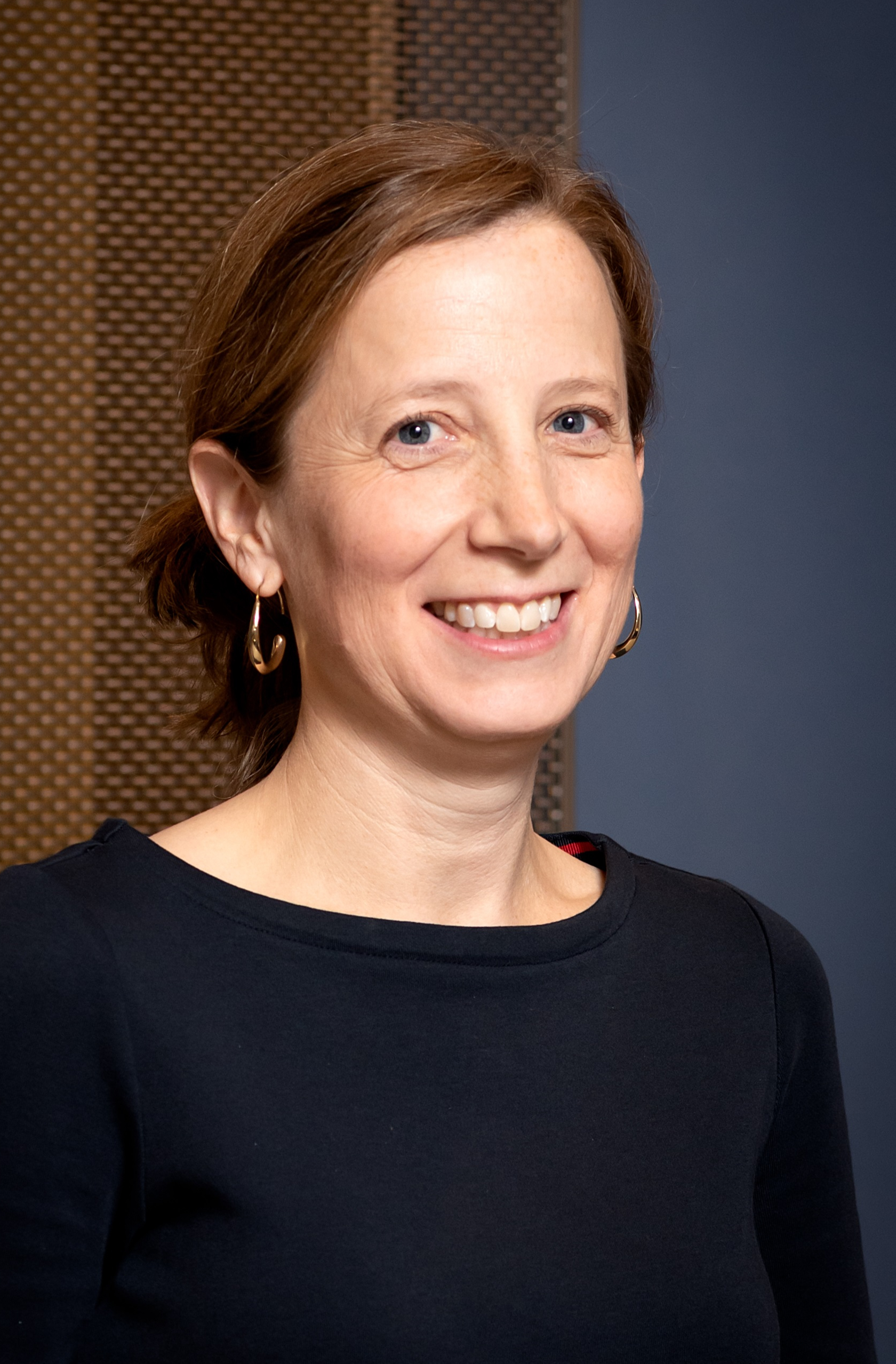
Karen Smilowitz
Associate Provost for Undergraduate Education
James N. and Margie M. Krebs Professor in Industrial Engineering and Management Sciences & Operations Department, Kellogg
Northwestern University
Humanitarian logistics presents a series of unique and urgent challenges. At the core of disaster response lies the effective and equitable distribution of life-saving supplies to those in need. In such high-stakes environments, operations research holds significant potential to support decision-making—helping relief organizations save lives and resources while upholding principles of fairness, humanitarianism, and transparency. In this talk, we will discuss humanitarian logistics in a range of settings. This talk will present opportunities and challenges related to research that strives for positive social impact in a constantly changing world. In such settings, the objectives are often more difficult to quantify since issues such as equity and sustainability must be considered, yet efficient operations are still crucial. The talk will be both a look back over several decades of influential research and a look forward at the challenges ahead. We will explore how new platform technology is changing both the practice and study of humanitarian logistics.
Dr. Karen Smilowitz is the James N. and Margie M. Krebs Professor in Industrial Engineering and Management Science at Northwestern University, with a joint appointment in the Operations group at the Kellogg School of Management. She also serves as the Associate Provost for Undergraduate Education at the University. Dr. Smilowitz is an expert in modeling and solution approaches for logistics and transportation systems in both commercial and nonprofit applications.
12:00 - 12:30 p.m.
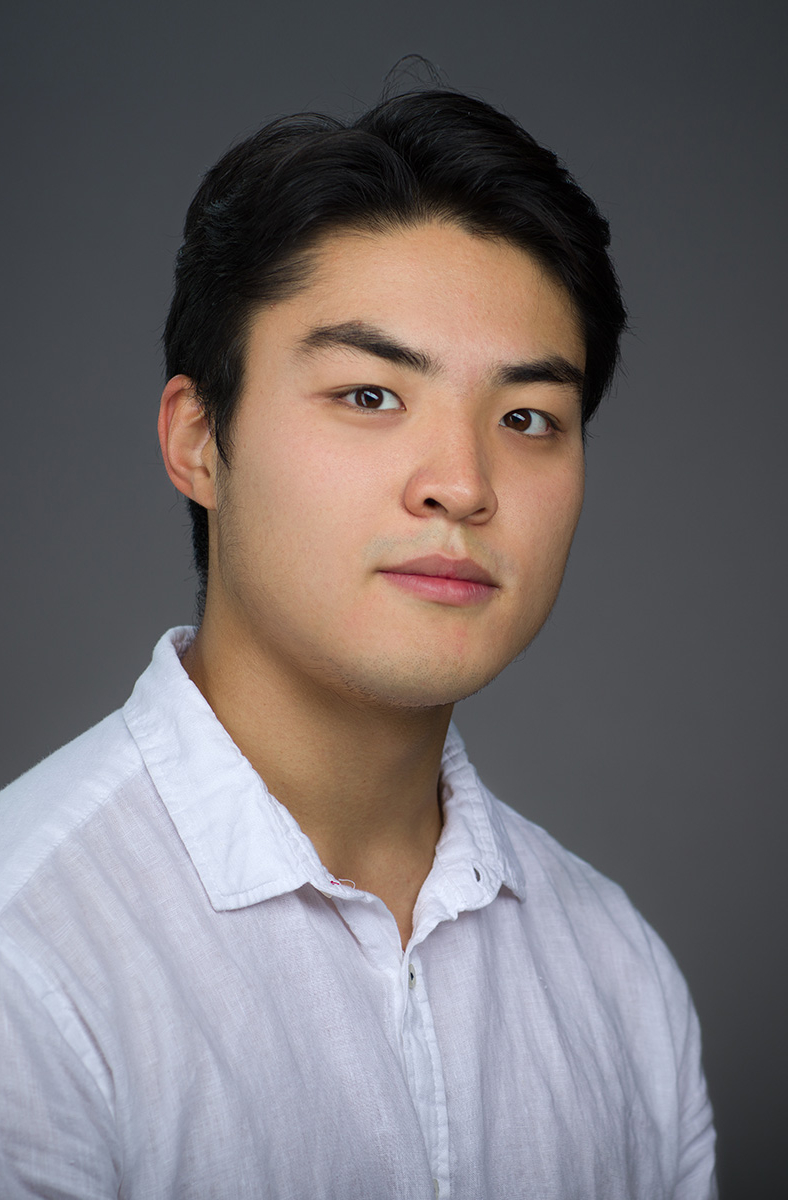
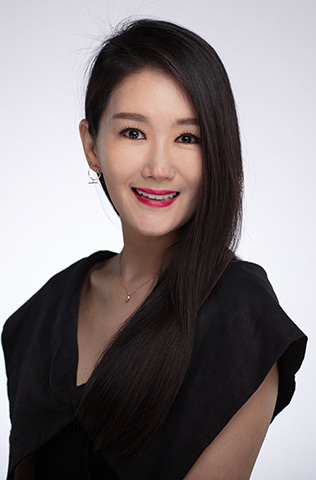
Olzhasbek Zhakenov '26
Undergraduate Innovator, AIM Lab
Northwestern University in Qatar
S. Venus Jin
Professor in Residence
Director, AIM Lab
Associate Dean for Education
Northwestern University in Qatar
Lugha.ai is an AI-powered language learning app designed to address the core pedagogical challenge of Arabic diglossia. Unlike many market solutions that require learners to choose between "Book Arabic" (Modern Standard Arabic) and "Street Arabic" (dialects), Lugha.ai teaches both in parallel. Powered by a data-driven adaptive AI engine, the app uses contrastive analysis to scaffold dialect learning on top of MSA literacy. The result is a unified, personalised learning pathway that helps non-native beginners become both literate and conversationally fluent.
Keywords: Arabic learning, diglossia, MSA, dialects, adaptive learning, AI tutor, language education
12:30 - 1:00 p.m.
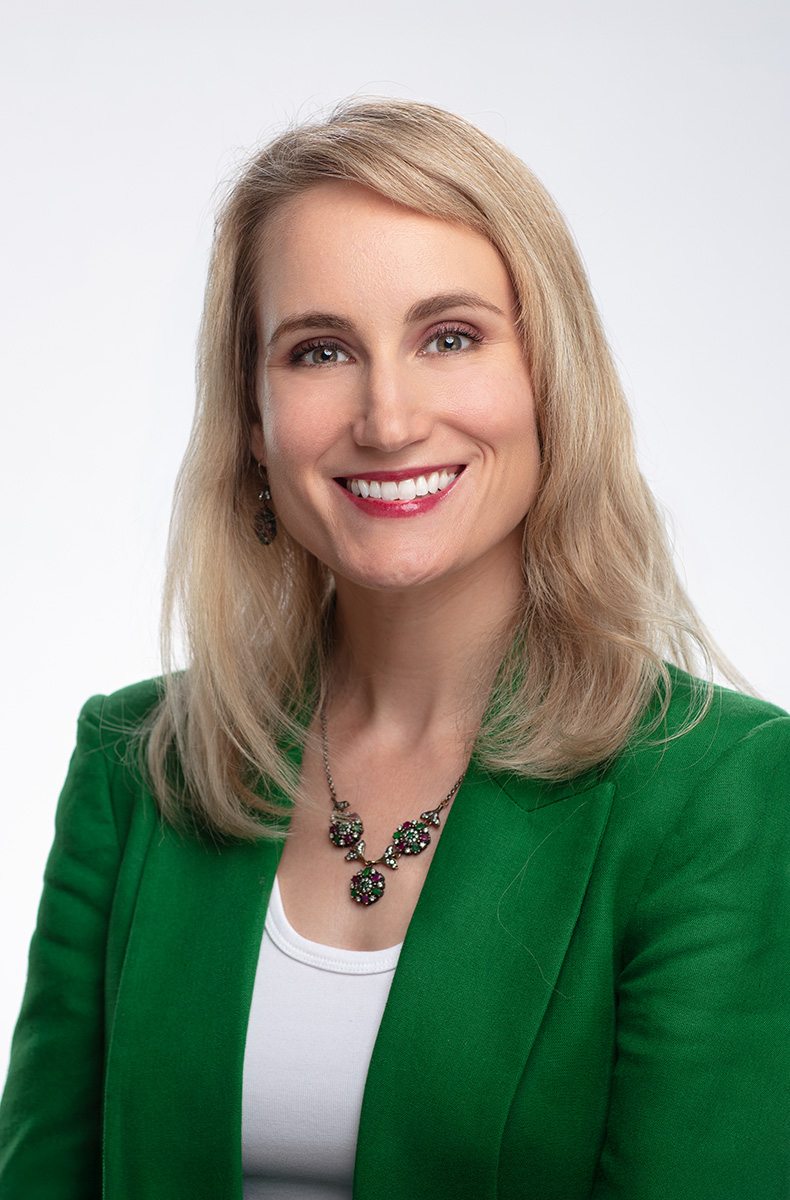
Christina M. Paschyn
Assistant Professor in Residence
Northwestern University in Qatar
This NU-Q Executive Education short masterclass prepares senior leaders to communicate with confidence, credibility, and composure during periods of heightened public scrutiny. Drawing on real-world case studies and advanced media-training simulations, the session immerses participants in the realities of crisis communication through mock journalist calls, press-conference simulations, and on-camera interviews. Participants practice delivering clear, transparent, and empathetic responses under pressure—strengthening message discipline, tone management, and decision-making during challenging questioning. The session also covers practical skills such as reviewing and approving holding statements, coordinating with crisis management and PR teams, and responding to misinformation in a 24-hour media environment. Designed for boards, executive committees, and senior managers, this masterclass distils key elements of the full course to build leadership presence, media fluency, and strategic communication resilience.
Keywords: crisis communication, media training, executive spokespeople, message discipline, misinformation, leadership presence
1:00 - 1:30 p.m.
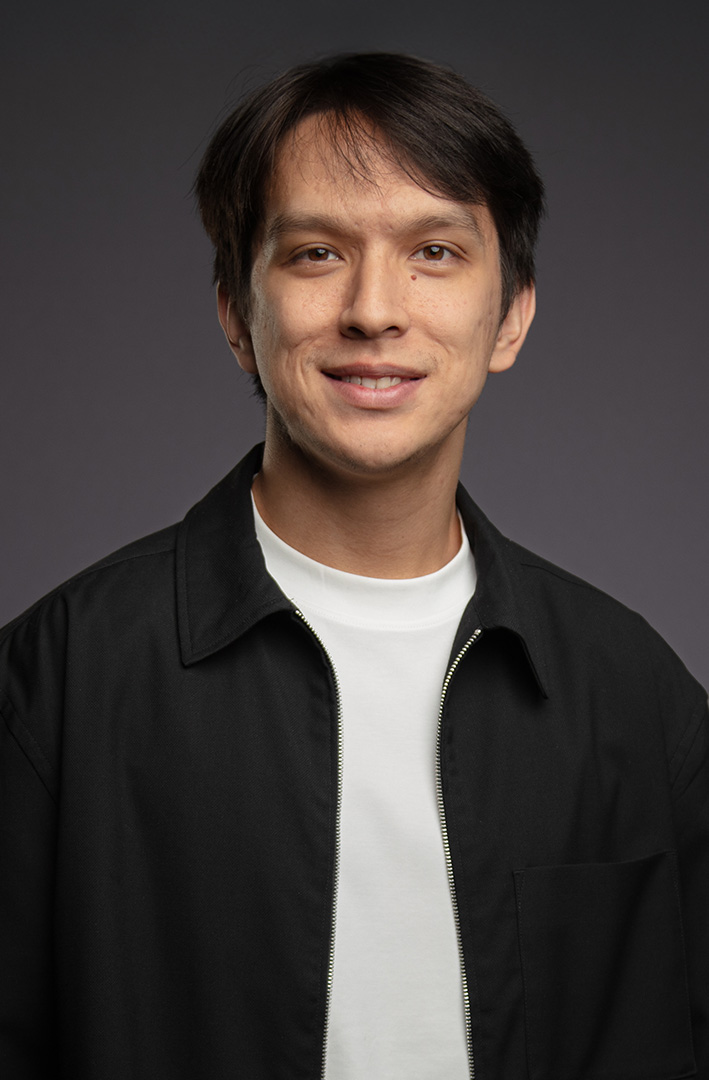
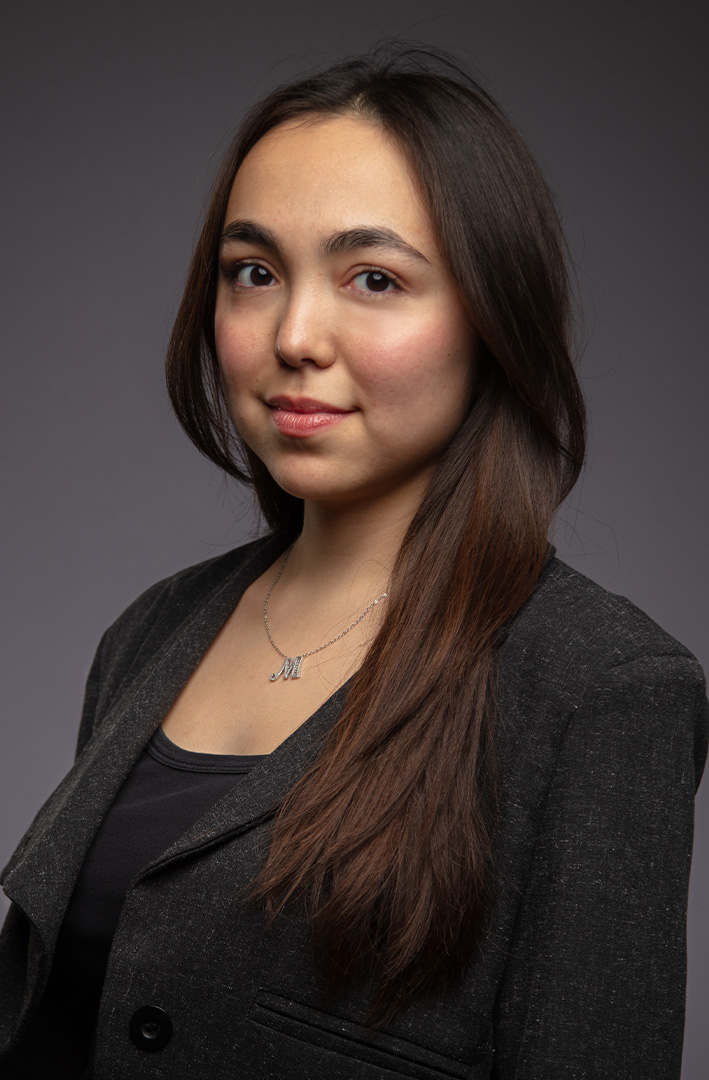
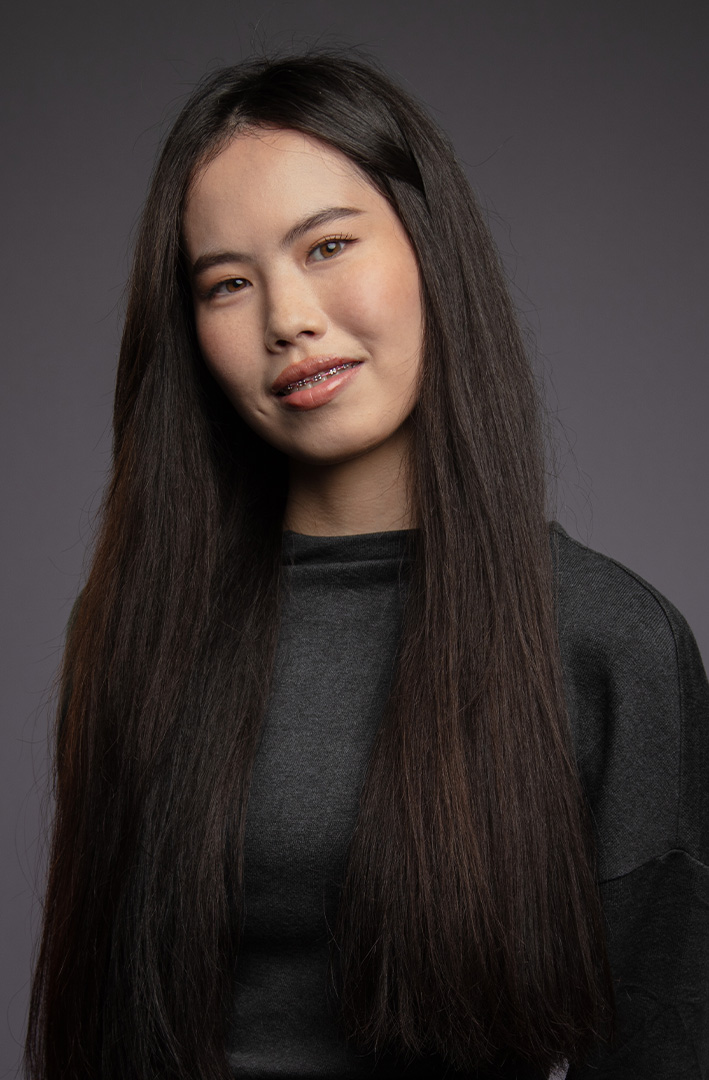
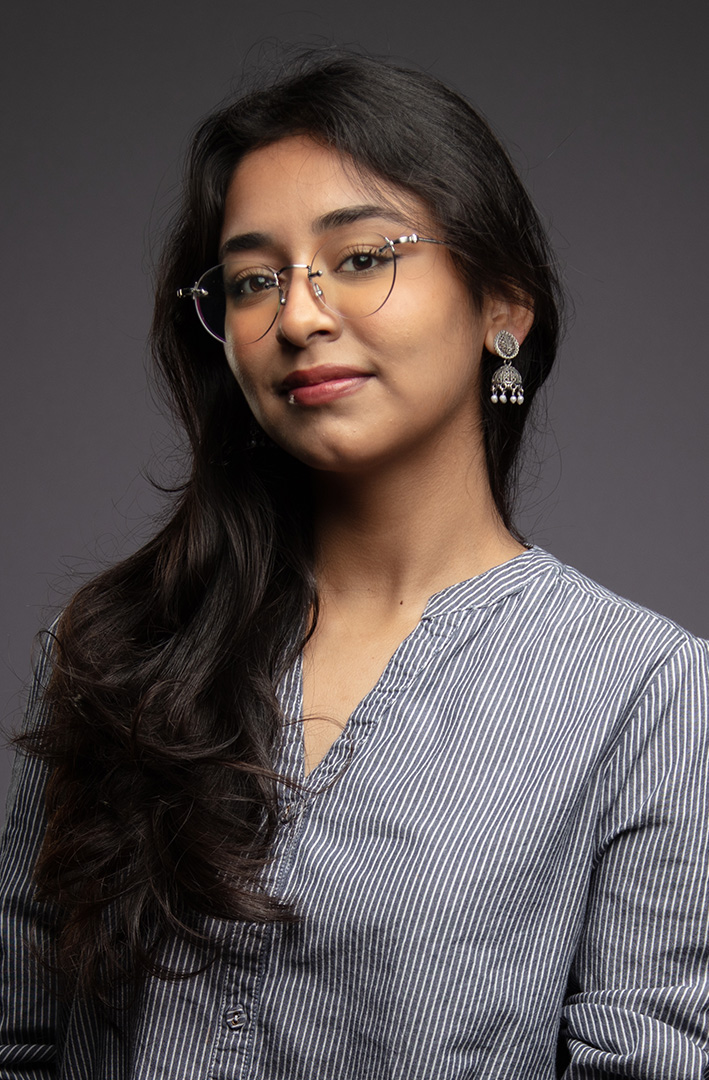
Ramazan Zhetpysbayev '26, Malika Assanseitova '26, Akzhunis Atabay '28, Ayushi Jha '27
AURORA Grantees/Mentees, AIM Lab
Northwestern University in Qatar
S. Venus Jin
Professor in Residence
Director, AIM Lab
Associate Dean for Education
Northwestern University in Qatar
This session led by the Founding Director of the AIM-Lab showcases AURORA Grantees' cutting-edge R&D projects: "Eterna: AI-Assisted Contextual Memory Preservation", "Adaptive Storytelling as a Real-Time System", "Socratic Questioning and AI: Rethinking Mental Health Conversations", and "Imitation Stardom: Measuring the Impact of AI-Powered Influencers".
1:30 - 2:30 p.m.

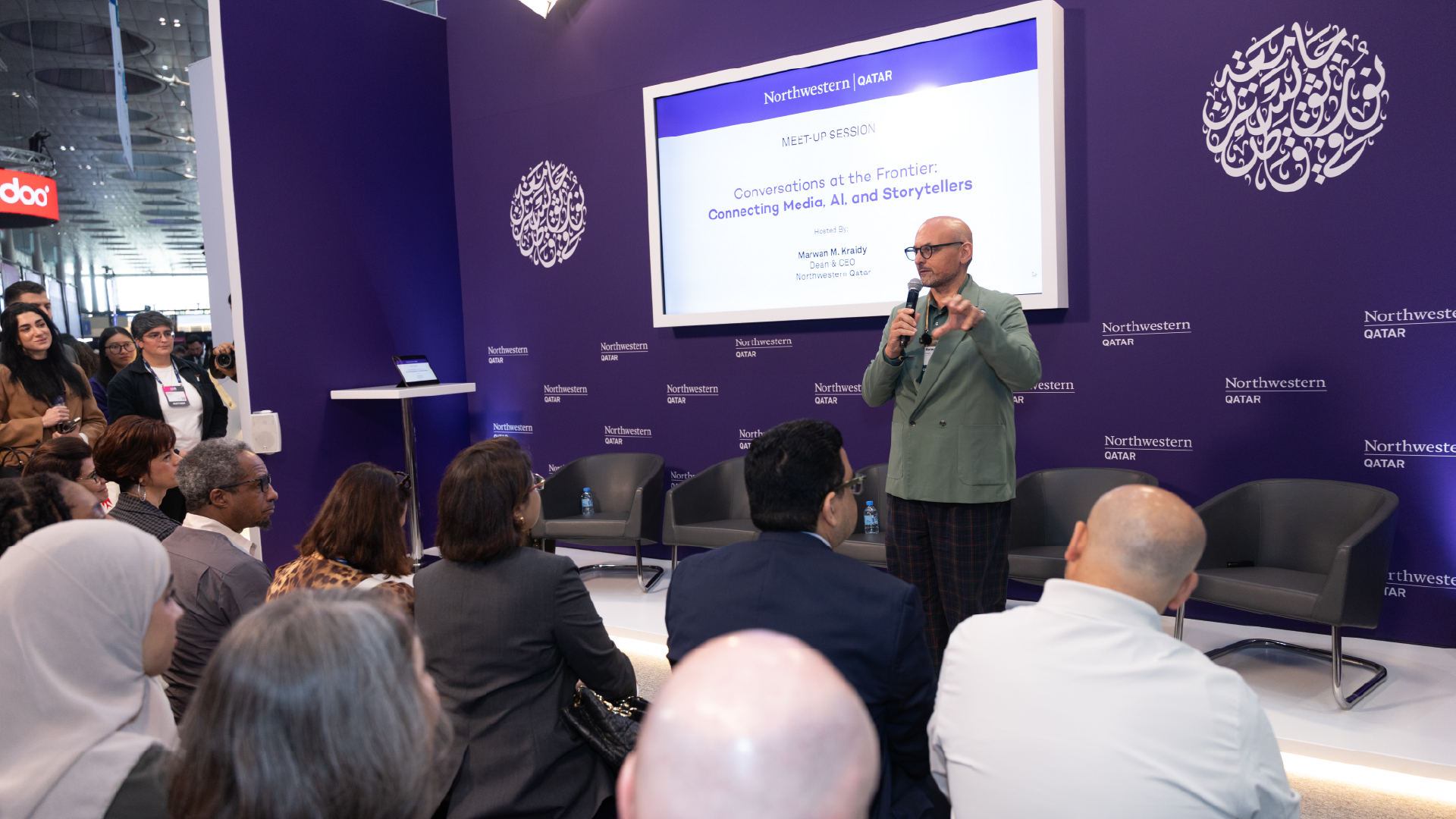
Dean and CEO Marwan M Kraidy is hosting an exclusive session proposing a different posture at Web Summit Qatar—one that pauses the velocity of innovation to ask harder questions about meaning, power, and responsibility.
This call is for leaders from academia, AI, technology, policy, and the creative industries, the conversation begins with opening remarks and introduction by Dean Kraidy to explore how media and AI frontiers are being shaped today, whose perspectives are centered, and how emerging frameworks might better reflect realities from the Global South as well as the Global North.
The session is conceived not as networking, but as shared inquiry: a space for attendees to surface tensions, align values, and forge relationships grounded in intellectual exchange. It is an opportunity for visitors to meet and engage with NU-Q scholars delving in the multidisciplinary spaces of storytelling excellence, creative practices, artificial intelligence scholarship, museum curatorial expertise, executive education and industry partners.
2:30 - 3:00 p.m.
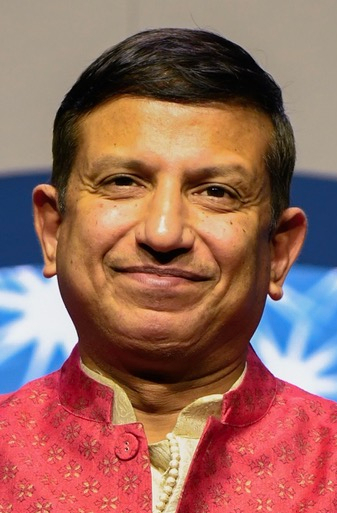
Sumitrajit (Sumit) Dhar
Professor; Hugh Knowles Chair in Hearing Sciences
School of Communication
Northwestern University
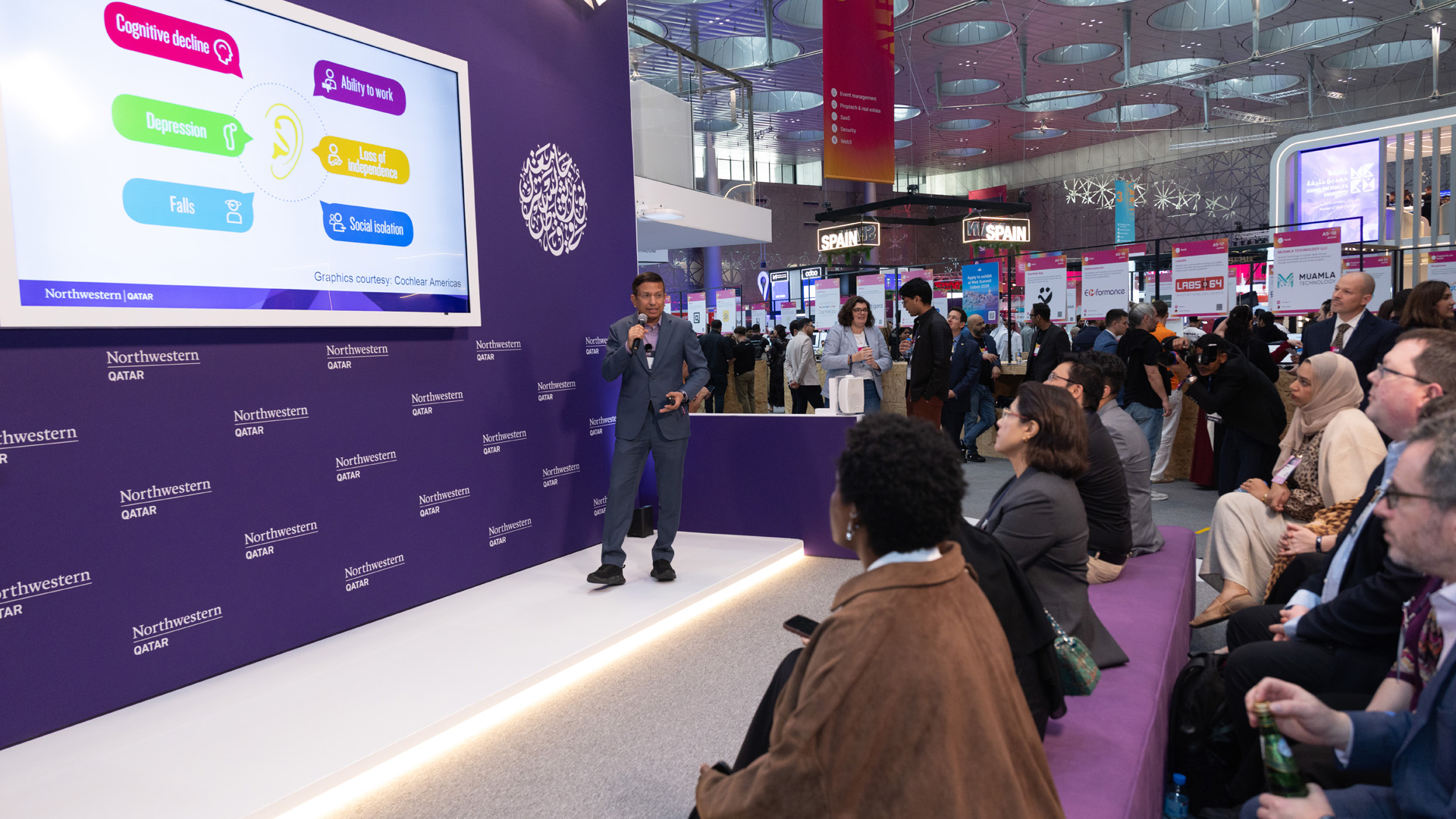
Hearing loss is one of the largest health burdens in the world today with 20% of the world's population impacted. Uptake and utilization of hearing loss treatment can be improved significantly by leveraging modern-day methods and tools that allow individuals to self-manage their hearing wellness. The talk will describe lab-built and field-tested technologies that are changing the practice of hearing care by focusing on the individual and on wellness and prevention.
Sumit Dhar is the Hugh Knowles Professor of Hearing Science at Northwestern University. He also serves as the Associate Provost for Faculty at the University. For over two decades his laboratory has made significant strides in understanding the physiology of hearing and developing innovative solutions to make hearing care more affordable and accessible.
3:00 - 3:30 p.m.
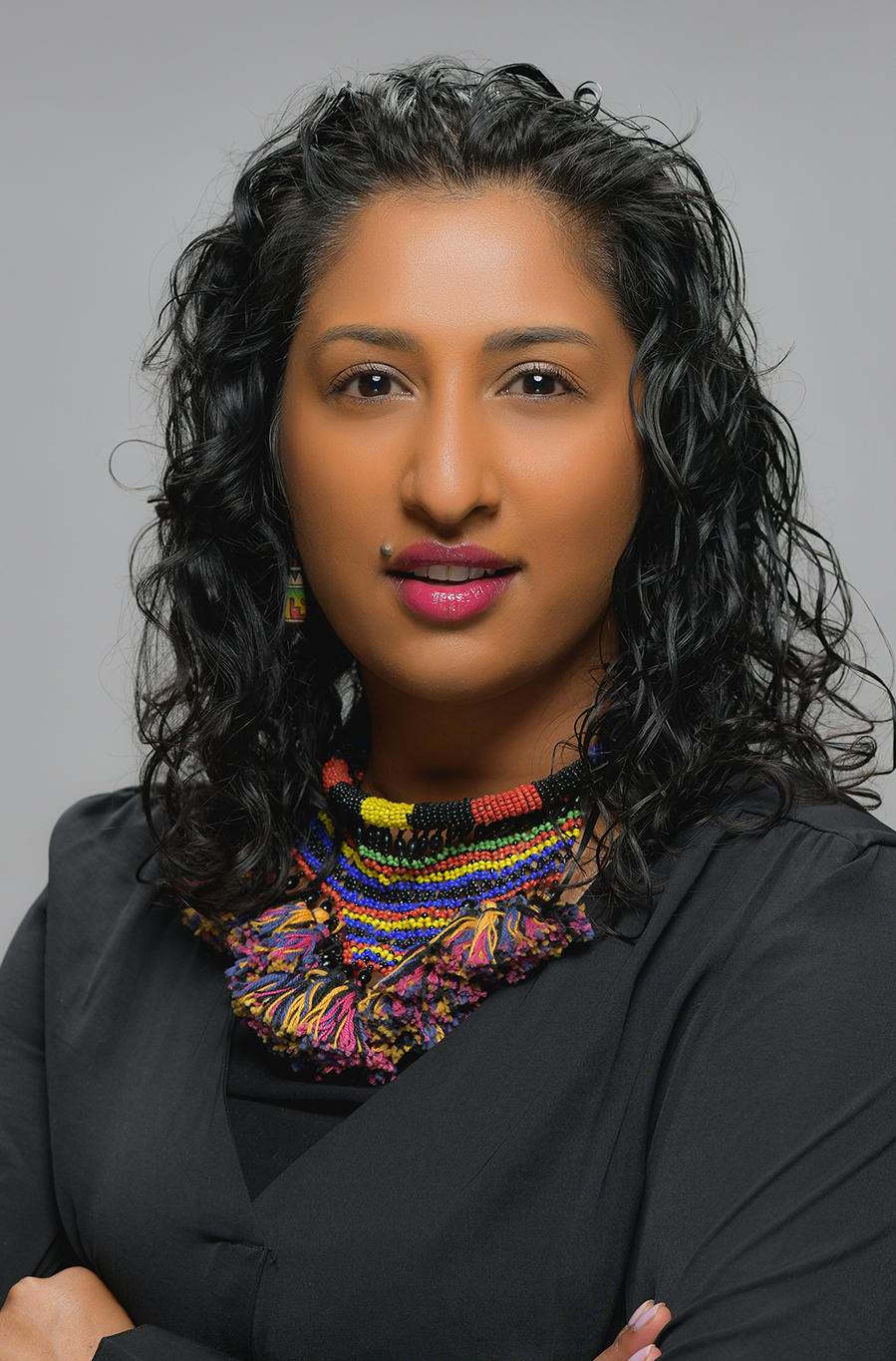
Scheherazade Safla
Assistant Professor in Residence
Northwestern University in Qatar
Join a transformative short session on mastering public speaking taught by a former news presenter and senior reporter who has worked for five television channels in four countries, including Qatar. Her expertise in presenting and moderating across diverse international platforms provides a wealth of experience for developing effective, practical strategies to overcome nerves and communicate with clarity, confidence, and cultural sensitivity.
This session on Influential Public Speaking has broad applicability for improving competence in public communications, leading meetings, and moderating events with an emphasis on maintaining authenticity while elevating impact. In today's interconnected world, effective communication is a powerful tool for exercising leadership, influencing people, and inspiring action. The session distills a comprehensive course that client organizations in Qatar have found valuable and uniformly evaluated as an excellent tailored training for their organizations.
3:30 - 4:00 p.m.
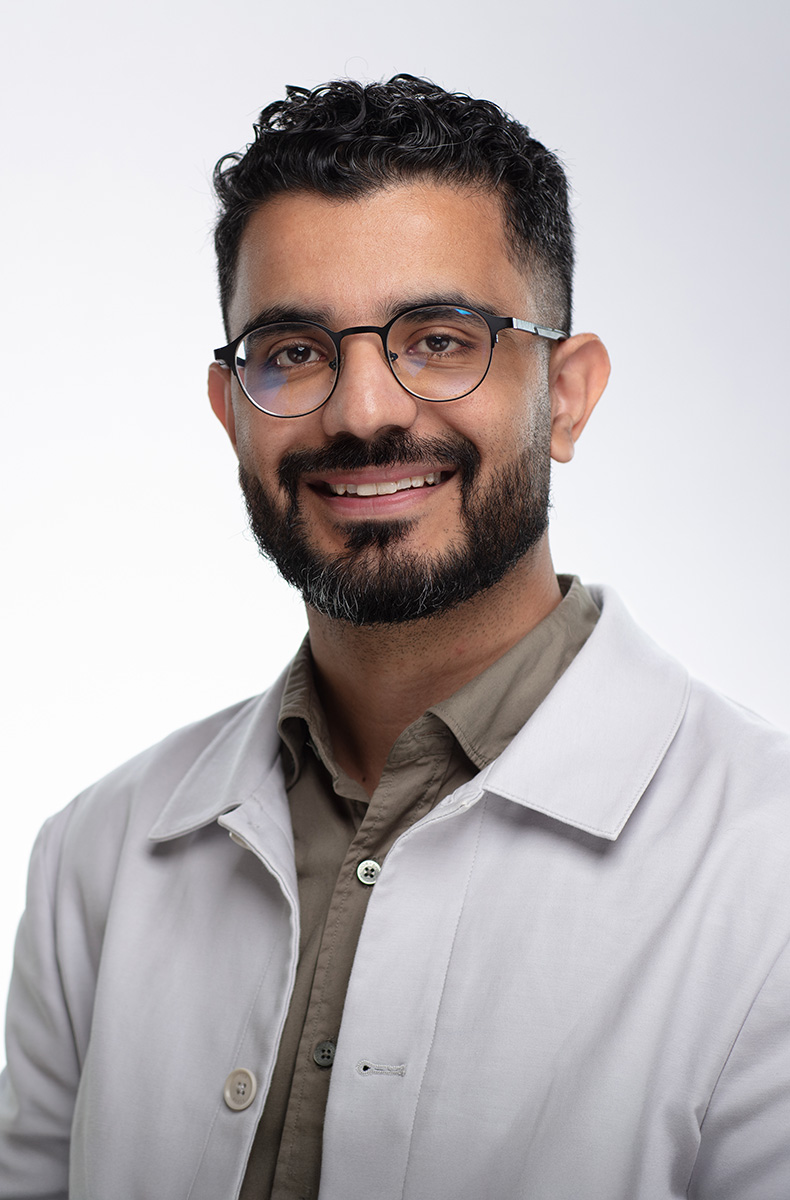
Shakeeb Asrar
Assistant Professor in Residence
Northwestern University in Qatar
This masterclass introduces practical tools and approaches for interactive and visual journalism, with a focus on evidence-based storytelling from and about the Global South. Participants will explore how design, data, and emerging AI tools can support clearer narratives, stronger audience engagement, and more accessible reporting across digital formats.
Keywords: visual journalism, interactive storytelling, data journalism, AI tools, audience engagement, Global South
10:00 - 10:30 a.m.
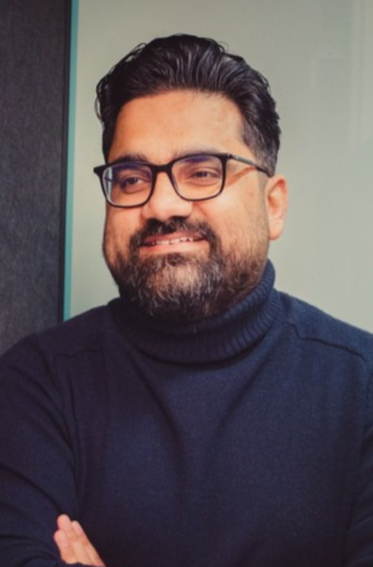
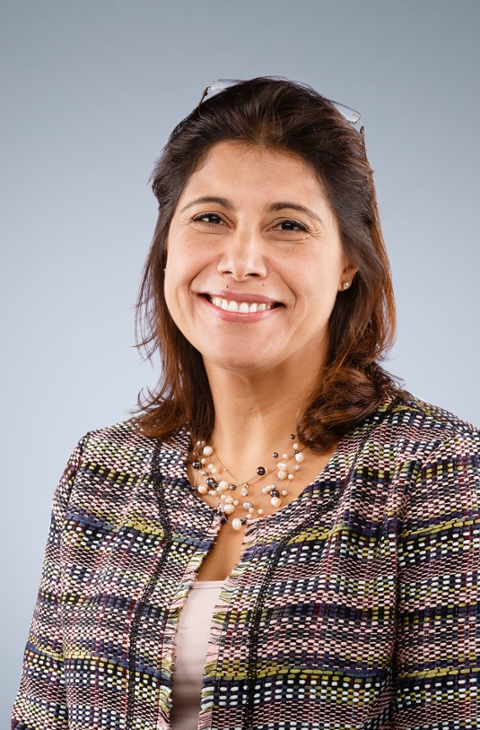
Nasr ul Hadi
Executive Committee Member
ICFJ+
Ilhem Allagui
Associate Professor in Residence
Director, Journalism and Strategic Communication Program
Northwestern University in Qatar
Drawing on ICFJ+’s work across journalism and civic technology, this session shares practical insights from collaborations with newsrooms, creators, and technologists worldwide. It explores how AI and data are being applied in real contexts, what is delivering impact, and what remains experimental, particularly across the Global South.
Keywords: Journalism innovation; Civic technology; AI in news; Data for impact; Newsroom collaboration; Creator economy; Global South; Applied AI.
10:30 - 11:00 a.m.
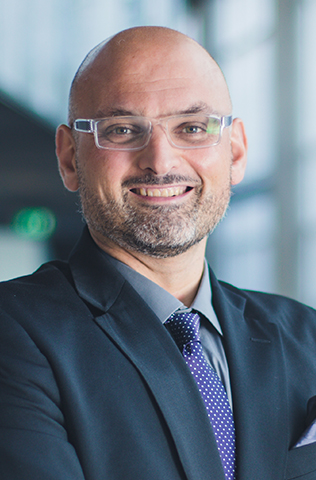
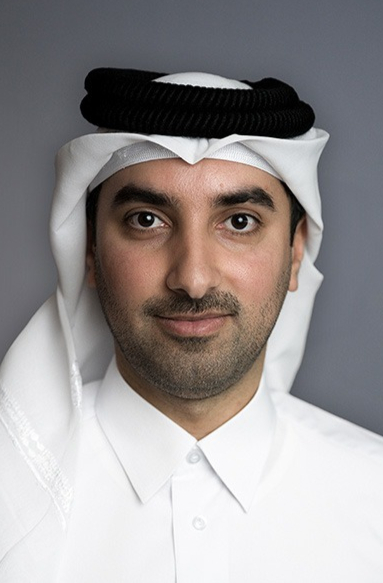
Marwan M. Kraidy
Dean and CEO
Northwestern University in Qatar
Sheikh Jassim bin Mansour bin Jabor Al Thani
Director
Government Communications Office
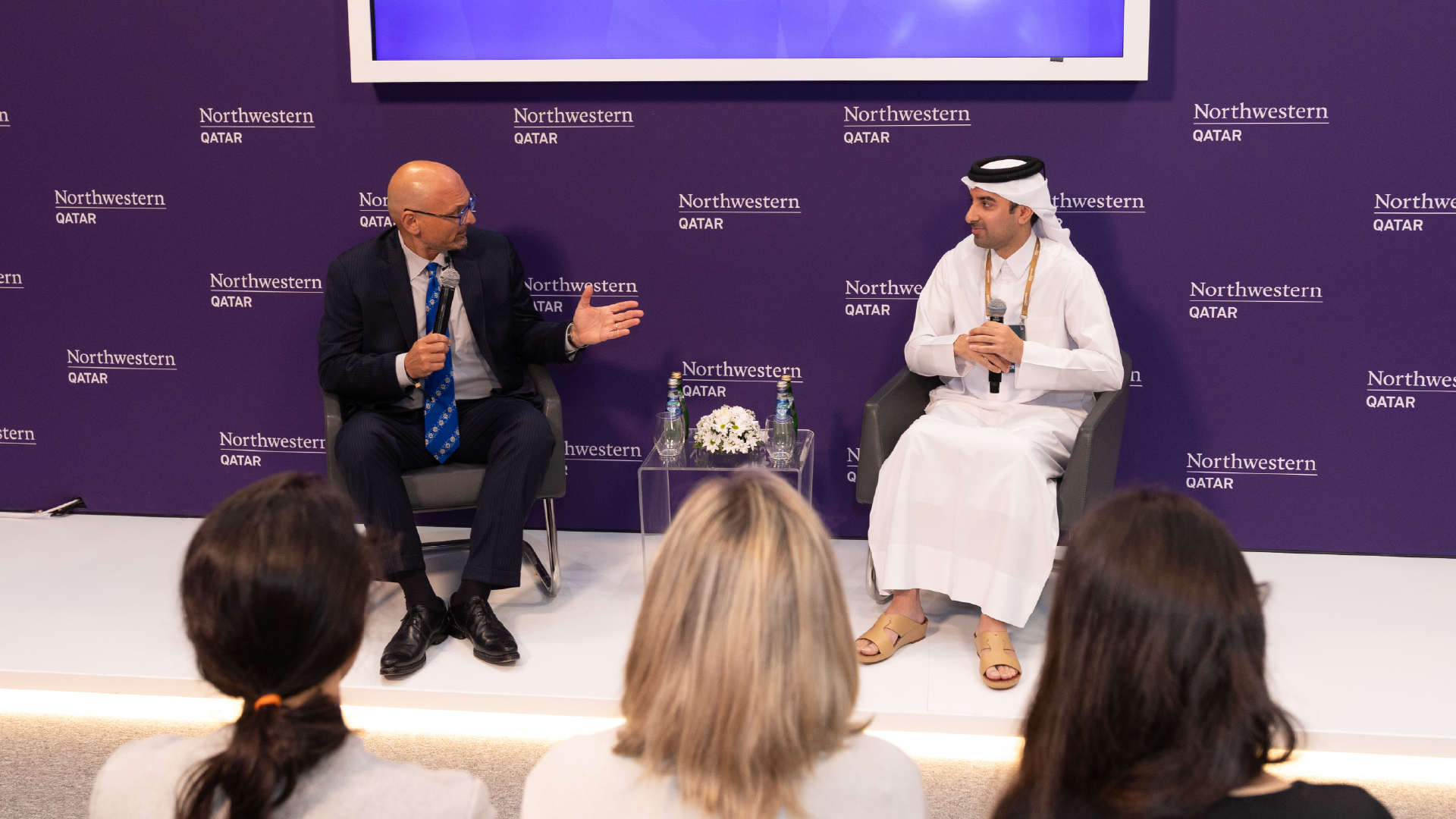
His Excellency Sheikh Jassim bin Mansour bin Jabor Al Thani, director of Qatar’s Government Communication Office and chairman of the Permanent Web Summit Organising Committee, joins Dean and CEO Marwan M. Kraidy for a special edition of the Dean’s Global Forum at Web Summit Qatar 2026.
Drawing on his role at GCO, Sheikh Jassim will discuss how government and institutional communication navigate an evolving media landscape, examining emerging trends, including artificial intelligence, and the challenges and opportunities they present. He will also offer insights into the future of the sector, informed by his experience shaping national and international communication strategies.
11:00 - 11:30 a.m.
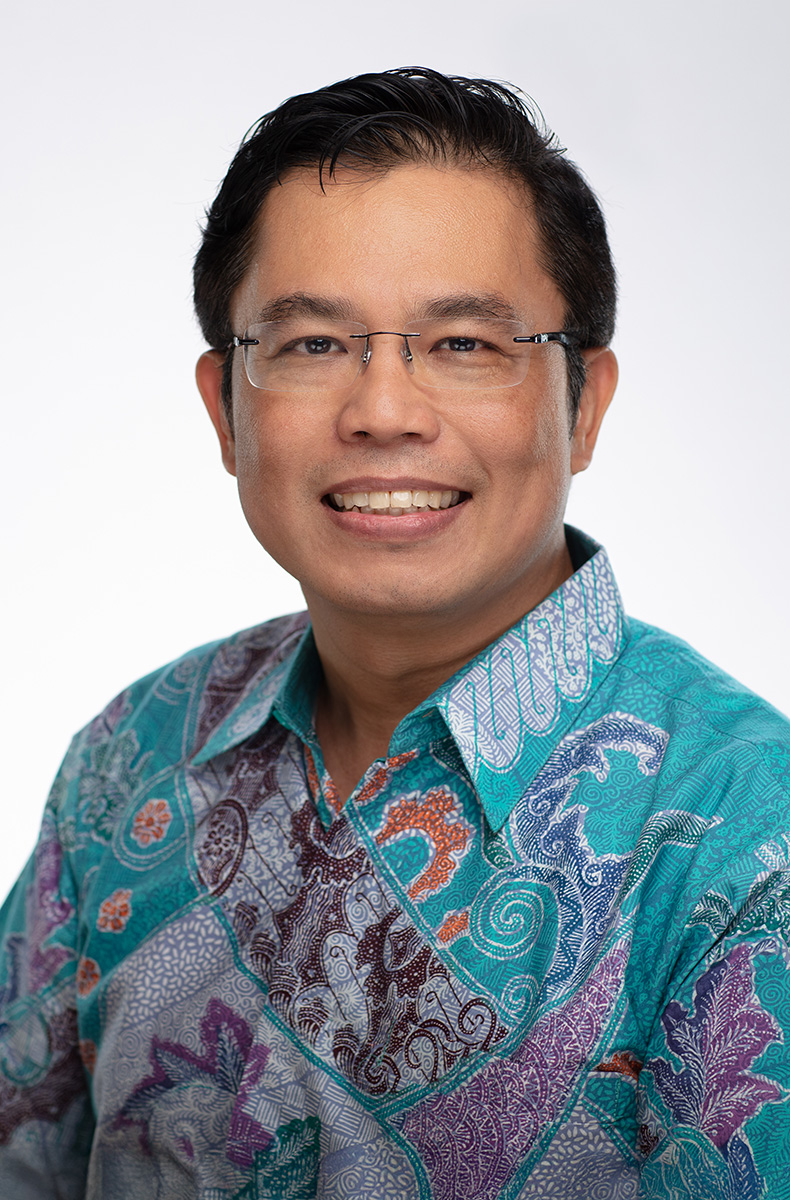
Anto Mohsin
Assistant Professor in Residence
Northwestern University in Qatar
Are we consciously shaping technology—or drifting into the future it dictates? This 20-minute micro class introduces the idea of technological somnambulism: our tendency to adopt new technologies without fully questioning their wider impacts or unintended consequences.
Drawing on David E. Nye's Technology Matters, the session explores six big questions about technology's role in society: Does it control us? Is it predictable? Does it promote cultural uniformity or diversity? Does it support sustainability—or ecological crisis? Does it expand consciousness—or contain it? Using examples such as AI, social media, VR/AR, driverless cars, 3D printing, GMOs, and more, participants will reflect on how these tools shape everyday life—and how to move from passive adoption to active, informed engagement.
11:30 a.m. - 12:00 p.m.
Zaid Almahmoud
Postdoctoral Scholar, AIM Lab
Northwestern University in Qatar
Social platforms face ongoing challenges in identifying harmful or unsafe content at scale. This session offers a practical introduction to how modern AI can support text moderation, using a lightweight Python workflow as a real-world example. The presentation walks through an end-to-end pipeline—from working with raw comments and preparing data, to selecting a model and evaluating performance—showing how AI-driven moderation tools can be built and tested efficiently.
Keywords: content moderation, NLP, text classification, Python, model evaluation, platform safety
12:00 - 12:30 p.m.
Ibahrine Mohammad
Professor in Residence
Northwestern University in Qatar
Government communication is changing quickly as AI becomes a practical tool that can support day-to-day work across ministries and departments—helping teams engage citizens more effectively and at scale. In the Gulf region, advances in AI offer opportunities to improve messaging, streamline workflows, and strengthen analysis and insight, reducing bureaucratic bottlenecks, and modernising communication functions.
At the same time, important challenges remain, including limited Arabic-language data, a shortage of professionals trained to use AI effectively, and public trust concerns linked to cybercrime and misinformation. This session outlines key trends, major risks, and best-practice approaches for using AI responsibly in government communications.
1:00 - 1:30 p.m.
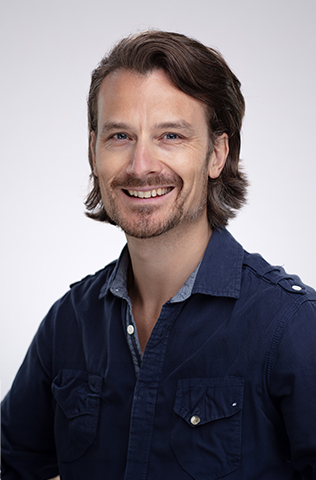
Sam Meekings
Associate Professor in Residence
Northwestern University in Qatar
This session offers a hands-on guide to using tools like ChatGPT and Copilot to strengthen student writing through editing, synthesis, and analysis. It focuses on practical classroom strategies for re-drafting, revision, and helping students develop clearer thinking and stronger final drafts.
1:30 - 2:00 p.m.
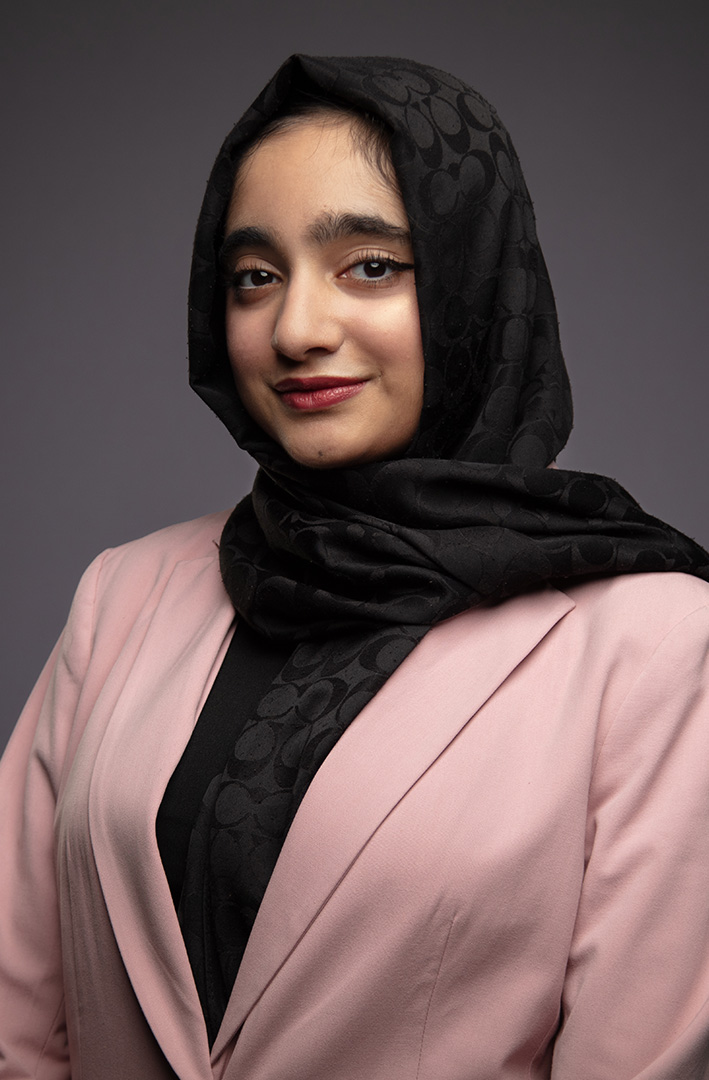
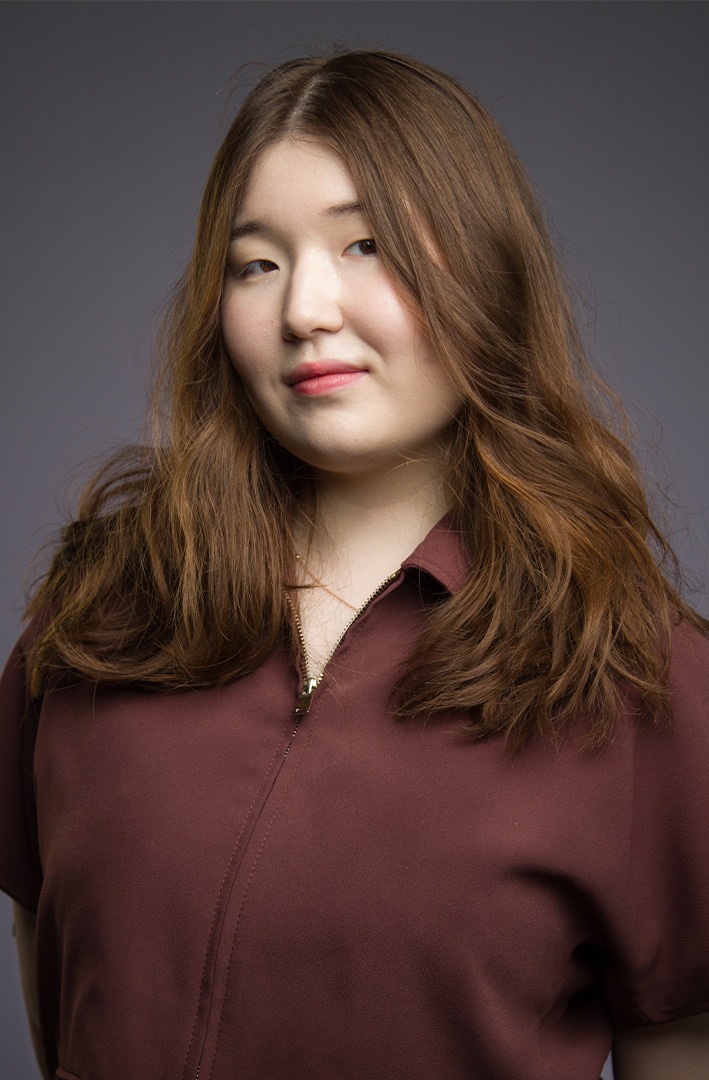
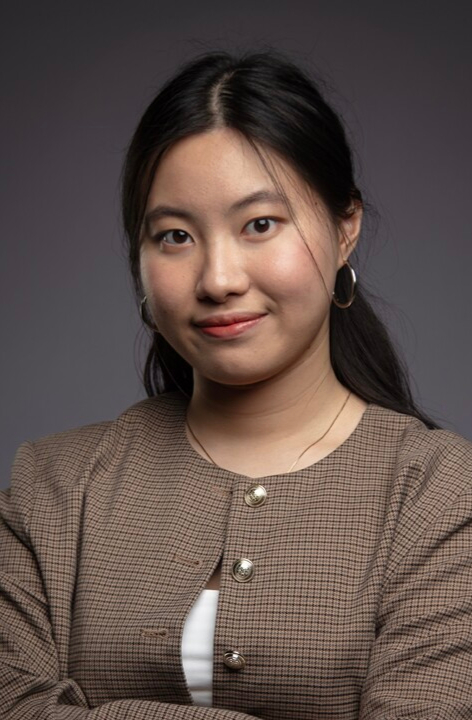
Areesha Usman '28, Aizere Yessenkulova '26, Fan Wu '26
AURORA Grantees/Mentees, AIM Lab
Northwestern University in Qatar
S. Venus Jin
Professor in Residence
Director, AIM Lab
Associate Dean for Education
Northwestern University in Qatar
This session led by the Founding Director of the AIM-Lab showcases AURORA Grantees' cutting-edge research projects: "Gen Z Perceptions of AI News Anchors", "Searching the Story", and "From Humor to Harm: Political Memes, Generative AI, and Disinformation in Chinese-Related Instagram Reels".
2:00 - 2:30 p.m.
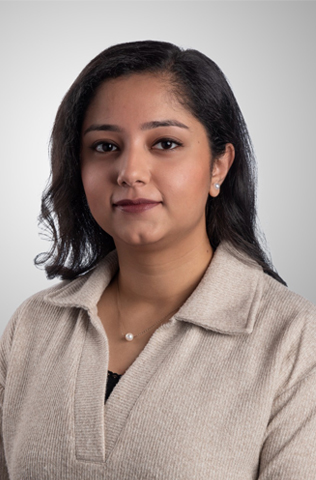
Zeest Marrium
Communications Coordinator, #IAS_NUQ
Northwestern University in Qatar
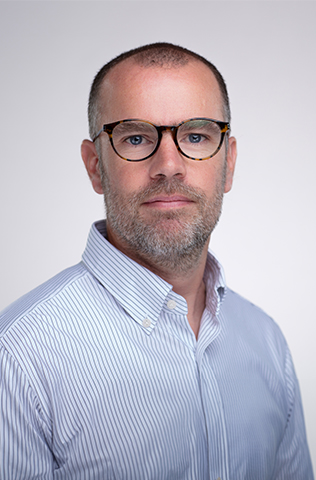
Clovis Bergère
Director, #IAS_NUQ
Northwestern University in Qatar
Using case studies from #IAS_NUQ Undergraduate Fellows, this masterclass explores how multimodal and digitally mediated methods can support evidence-based storytelling in and about the Global South. It highlights grounded, research-led approaches, multilingualism, and ways to rethink storytelling with technology—while also considering what meaningful storytelling looks like beyond digital tools.
2:30 - 3:00 p.m.
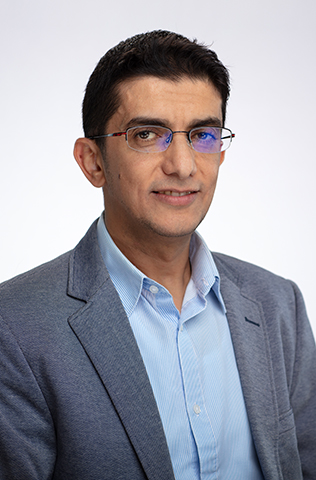
Wajdi Zaghouani
Associate Professor in Residence
Northwestern University in Qatar
This session introduces MARSAD, a project that uses AI to study what people are talking about online in Arabic. It shows how AI can help make sense of large amounts of digital content—spotting topics, trends, and changing conversations across the Arab digital sphere.
3:00 - 3:30 p.m.
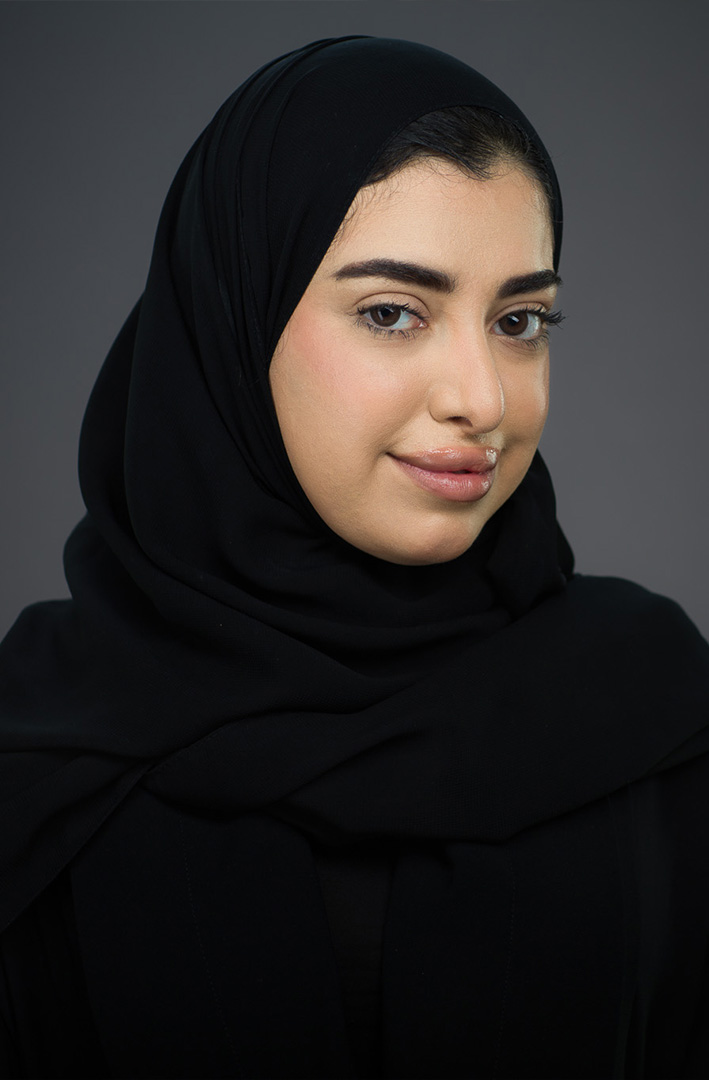
Olzhasbek Zhavenov '26, Al Anoud Al-Shammari '26
Undergraduate Fellow, #IAS_NUQ
Northwestern University in Qatar
Clovis Bergère
Director, #IAS_NUQ
Northwestern University in Qatar
Two IAS_NUQ Undergraduate Fellows present their digital projects and reflect on key lessons learned through the research and production process. Zhavenov's project is an educational video game that enables users to experience and learn about the 1986 Zheltoksan protests in Kazakhstan—an important moment in the lead-up to the Soviet Union's eventual collapse. Al-Shammari's project uses poetic, interactive multimedia storytelling to celebrate Qatari heritage and offer a nuanced portrait of nomadic life today, anchored in family stories and lived realities.
Keywords: digital humanities, multimodal research, heritage, interactive storytelling, video games, Kazakhstan, Qatar, Global South
3:30 - 4:00 p.m.
Spencer Striker
Professor in Residence
Northwestern University in Qatar
This session unveils Episode 1 of Legacy of Light: The House of Wisdom, an animated docudrama supported by the Doha Film Institute. The showcase features an exclusive screening of the pilot episode, bringing audiences into the world of Al-Khwarizmi and the intellectual surge of 9th-century Baghdad during the Golden Age of Science in the Islamic world.
Rendered in a distinctive "Poetic Noir Realism" aesthetic, the series blends rigorous historical storytelling with next-generation generative AI techniques—pushing what cinematic animation can look and feel like. Positioned as high-fidelity, evidence-based storytelling emerging from the Global South, this session serves as a launch moment for an ambitious new AI-powered series, following the momentum of earlier WSQ showcases that helped projects reach wider global audiences.
10:15 - 10:45 a.m.
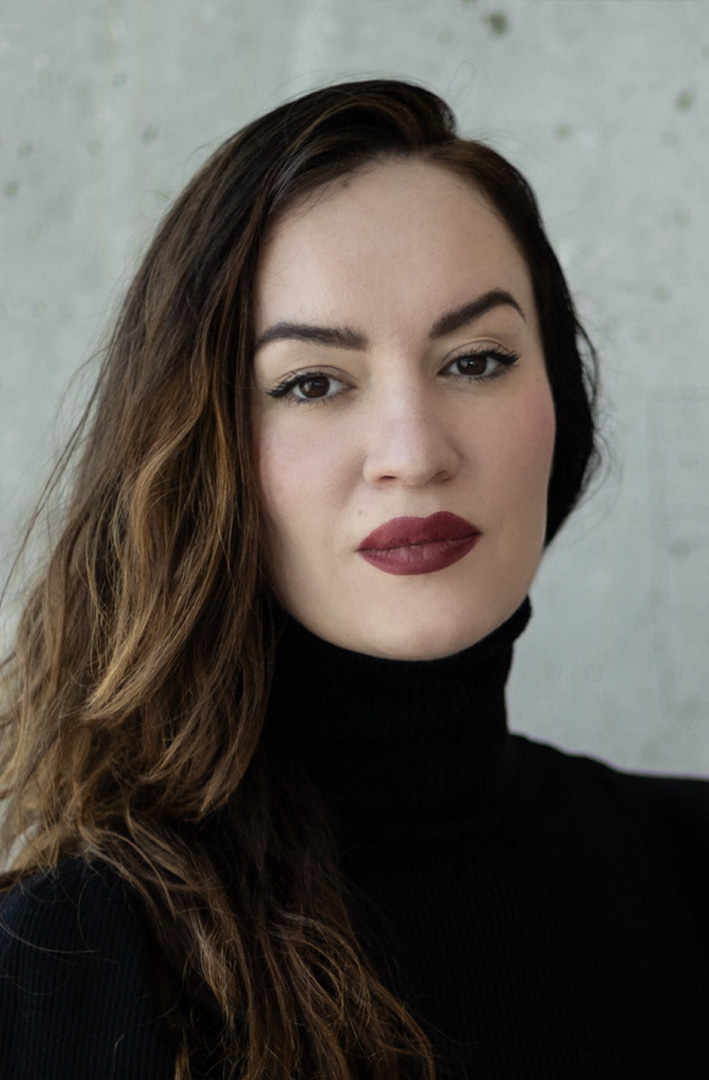
Alfredo Cramerotti
Director, Media Majlis Museum
Northwestern University in Qatar
Auronda Scalera
Curator, Lecturer, Researcher
Art & Technology
As the Gulf region rapidly consolidates its position as a global hub for culture, media, and technology, its art and media ecosystems are being consciously designed. This podcast offers an insider’s perspective on how the Middle East is developing cultural and media models that differ fundamentally from legacy centers such as London, New York, or Berlin. Rather than evolving through market conditions, many Gulf institutions and media organizations are built with strategic intentionality, integrating cultural production, journalism, research, education, and advanced technologies into future-oriented frameworks. We will explore how the condition of institutional “newness” enables experimental curatorial and editorial approaches, and cross-sector collaborations that are often difficult to implement within older systems – including media platforms and storytelling infrastructures.
10:45 - 11:15 a.m.
Spencer Striker
Professor in Residence
Northwestern University in Qatar
S. Venus Jin
Professor in Residence
Associate Dean for Education
Northwestern University in Qatar
This session offers an inside look at Legacy of Light: The House of Wisdom, an AI-animated docudrama supported by the Doha Film Institute. Designed to introduce audiences to the Islamic Golden Age through the story of Al-Khwarizmi and 9th-century Baghdad, the series uses next-generation generative AI tools to push what animated storytelling can look and feel like. The session explores the full production workflow—from historical research and narrative development to character design, world-building, and visual post-production—and reflects on the broader challenges and opportunities involved in bringing AI-assisted storytelling from concept to screen.
Keywords: AI animation, cinematic storytelling, generative AI, visual production, docudrama, Islamic Golden Age, world-building, character design
11:15 - 11:45 a.m.
Ramazan Zhetpysbayev '26
AURORA Grantee/Mentee, AIM Lab
Northwestern University in Qatar
Wajdi Zaghouani
Associate Professor in Residence
AIM Lab AURORA Mentor
Northwestern University in Qatar
Writing has always required effort—from generating ideas to structuring and refining drafts. Generative AI is shifting this dynamic. Rather than starting with a blank page, students can now begin with a draft and shape it through revision. This session examines the evolving role of AI in the writing process, comparing traditional methods with AI-assisted workflows. Using examples from classroom experiments at NU-Q, it explores whether AI encourages deeper engagement with writing or risks undermining foundational skills—and what this shift might mean for how we teach and evaluate student work in the age of AI.
Keywords: AI writing tools, pedagogy, generative AI, student writing, revision, classroom innovation, education
11:45 a.m. - 12:15 p.m.

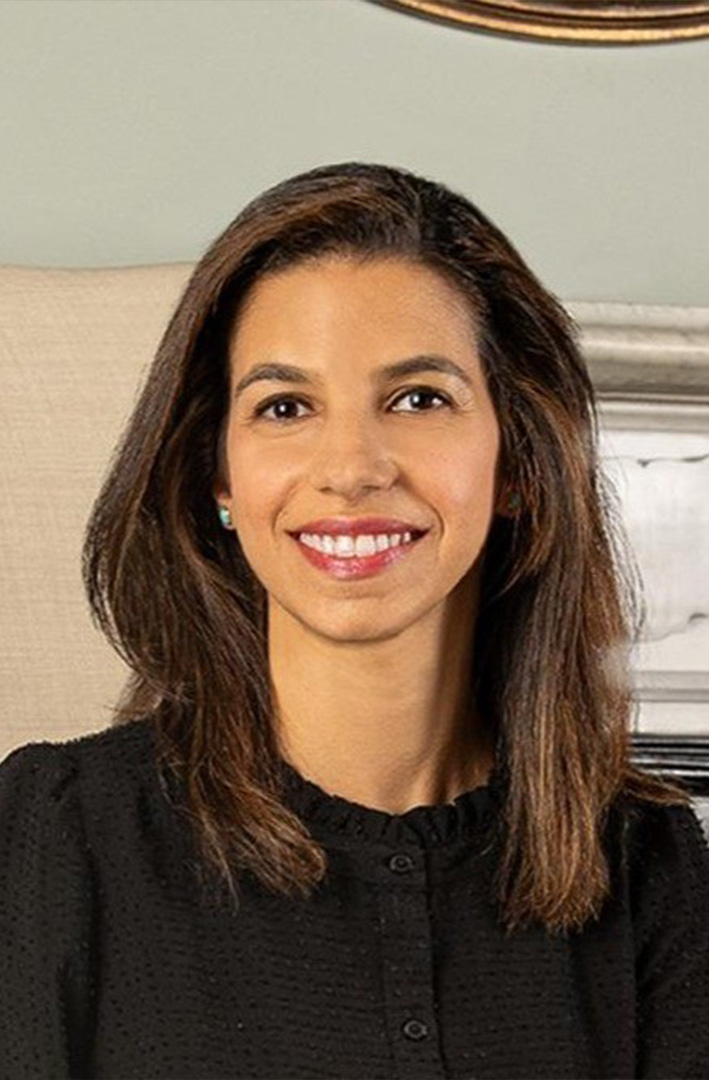
Alex Schultes
Assistant Dean for the Student Experience
Northwestern University in Qatar
Sara Viloria Canosa
Director of Admissions
Northwestern University in Qatar
This session offers an honest conversation about what it's really like to study at NU-Q—an American university with a global reach, located in Qatar. Two members of the admissions team share firsthand reflections on navigating academic, cultural, and personal transitions, from adjusting to a new environment and building meaningful connections to managing expectations and seizing unexpected opportunities. The discussion covers both the advantages of an international campus experience—such as access to world-class faculty, diverse peer networks, and unique career pathways—and the real challenges students face along the way. Grounded in lived experience rather than promotional messaging, the session aims to provide practical insight for prospective students, families, and anyone curious about international higher education in the Gulf region.
12:15 - 12:45 p.m.
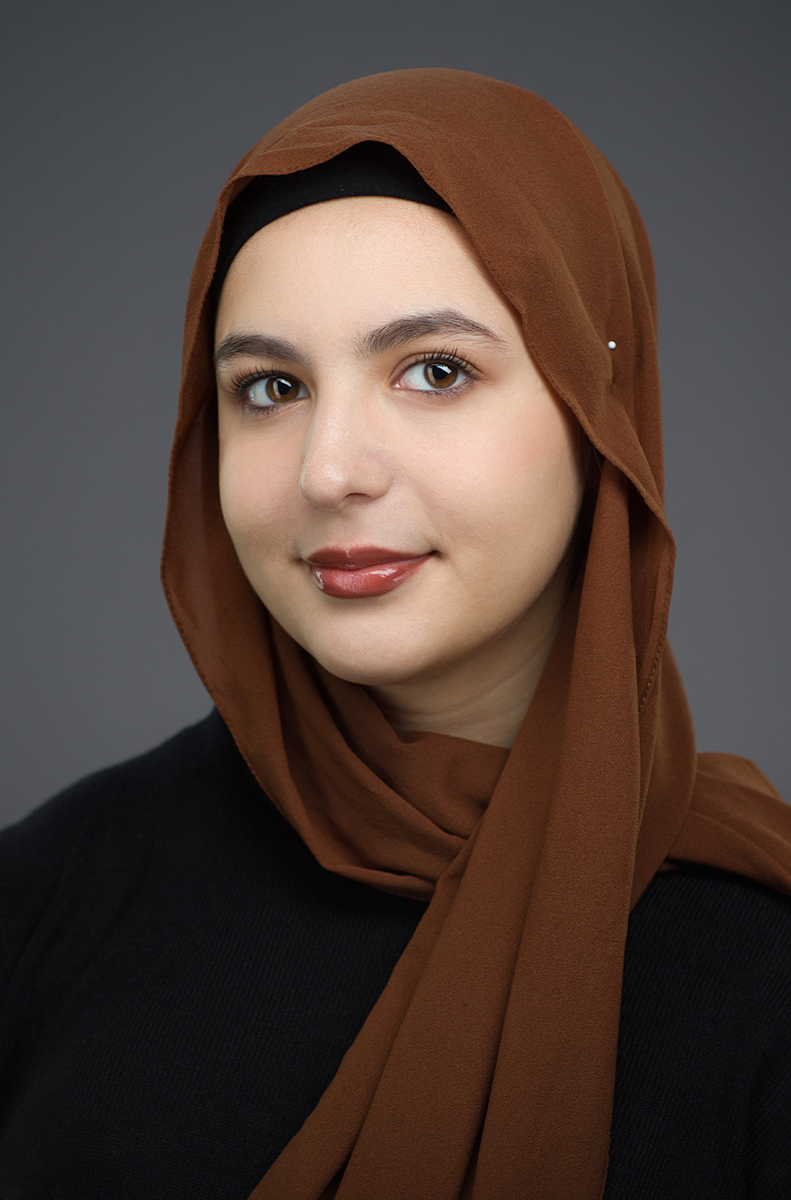
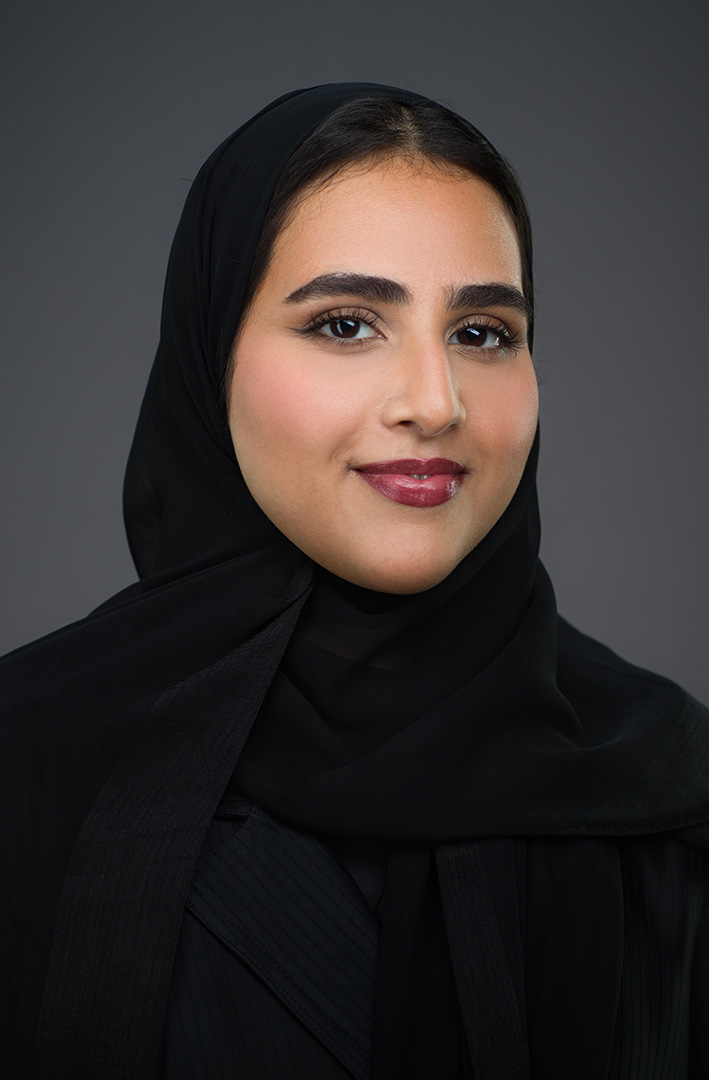
Isra Fejzullah '26, Aldana Althani '26
Northwestern University in Qatar
Dana Atrach
Assistant Professor in Residence
Northwestern University in Qatar
What does it really take to turn a pitch into a finished film? Whether you're a filmmaker, a student, or just curious about how creative projects survive reality, this episode is a quick look behind the scenes. We open with how Studio 20Q moves projects from pitch to production to distribution, joined by current grantees Isra Fejzullaj and Al Dana Al-Thani, who share first-hand stories from post-production: what changed between script, set, and edit, which notes reshaped the work, and how they're planning the premiere and festival path next.
1:15 - 1:45 p.m.
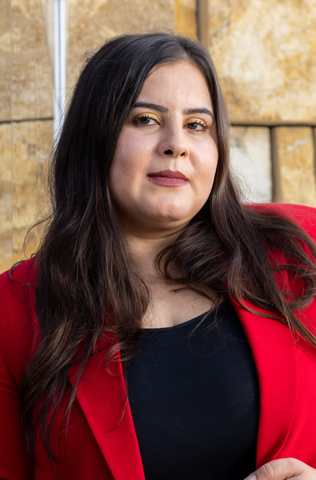
Alfredo Cramerotti
Director, Media Majlis Museum
Northwestern University in Qatar
Amal Zeyad Ali
Assistant Curator, Media Majlis Museum
Northwestern University in Qatar
Gulf Futurism is a speculative cultural framework that imagines alternative futures rooted in the Gulf region's unique historical, technological, and social realities. Emerging from the region itself rather than imposed from outside, Gulf Futurism challenges dominant narratives of the future—often shaped by Western or Orientalist perspectives—by centering local voices, aesthetics, and visions of what's to come. This session introduces Gulf Futurism as both a conceptual lens and a creative practice, exploring how artists, writers, and thinkers in the region are using it to negotiate rapid modernization, cultural hybridity, and geopolitical transformation. The discussion considers what it means to imagine futures from the Gulf, for the Gulf, and how these visions challenge or expand global conversations about technology, identity, and belonging.
Keywords: Gulf Futurism, speculative futures, cultural identity, regional narratives, modernization, hybridity, Gulf aesthetics
2:15 - 2:45 p.m.
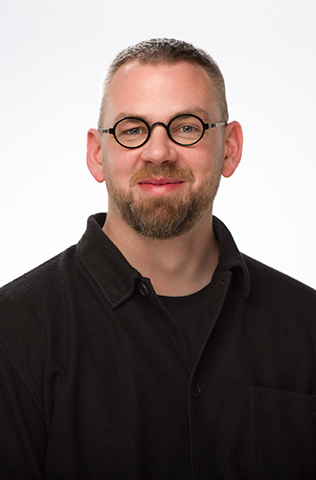
Jack Taylor
Curator, Media Majlis Museum
Northwestern University in Qatar
Merve Tabur
Lecturer
University of Utrecht
Curating is often understood as selecting and arranging objects for public display. But at its core, curating is also a knowledge practice—a process of research, dialogue, and meaning-making that shapes how stories are told, whose voices are heard, and what gets remembered or overlooked. This session explores curation as an intellectual and collaborative act, examining how curators work with artists, communities, and institutions to produce exhibitions that reflect deeper inquiry rather than surface-level presentation. Drawing on real curatorial projects, the conversation considers how research informs curatorial decisions, how curatorial frameworks emerge through dialogue, and how exhibitions function as sites of shared knowledge production rather than finished statements.
Keywords: curation, knowledge production, research, dialogue, exhibitions, cultural practice, meaning-making
3:15 - 3:45 p.m.
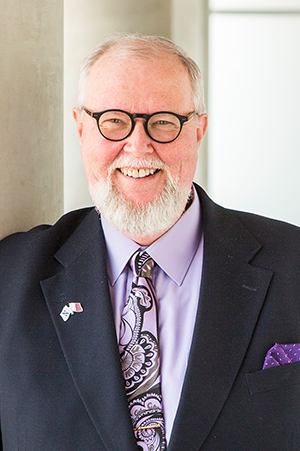
Greg Lowe
Professor in Residence
Director, Executive Education
Northwestern University in Qatar
Scheherazade Safla
Assistant Professor in Residence
Northwestern University in Qatar
Managers and workers in today’s digital economies must navigate an environment characterized by high volatility, uncertainty, complexity, and ambiguity. In this context, being a good manager isn’t enough. Leadership is required to accomplish significant change and ongoing adaptation. Communication competence is a critical success factor for exercising effective leadership. In this podcast, Professor Gregory Ferrell Lowe will discuss how and why great leaders are expert communicators and highlight ways to improve communication in leadership.
3:45 - 4:15 p.m.
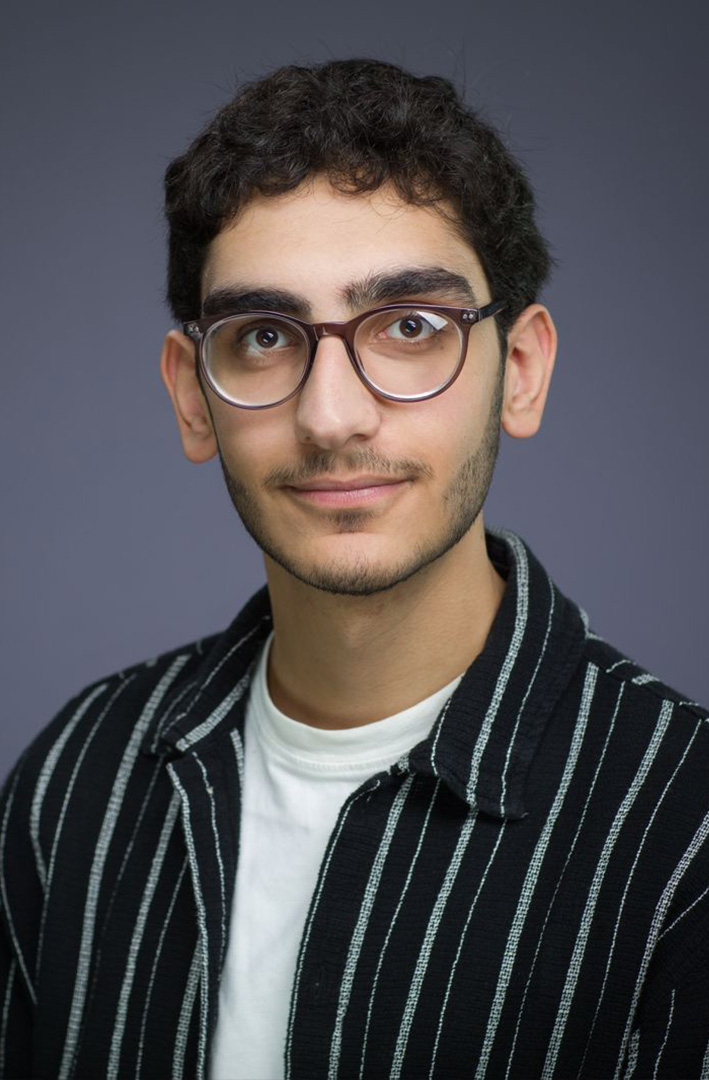
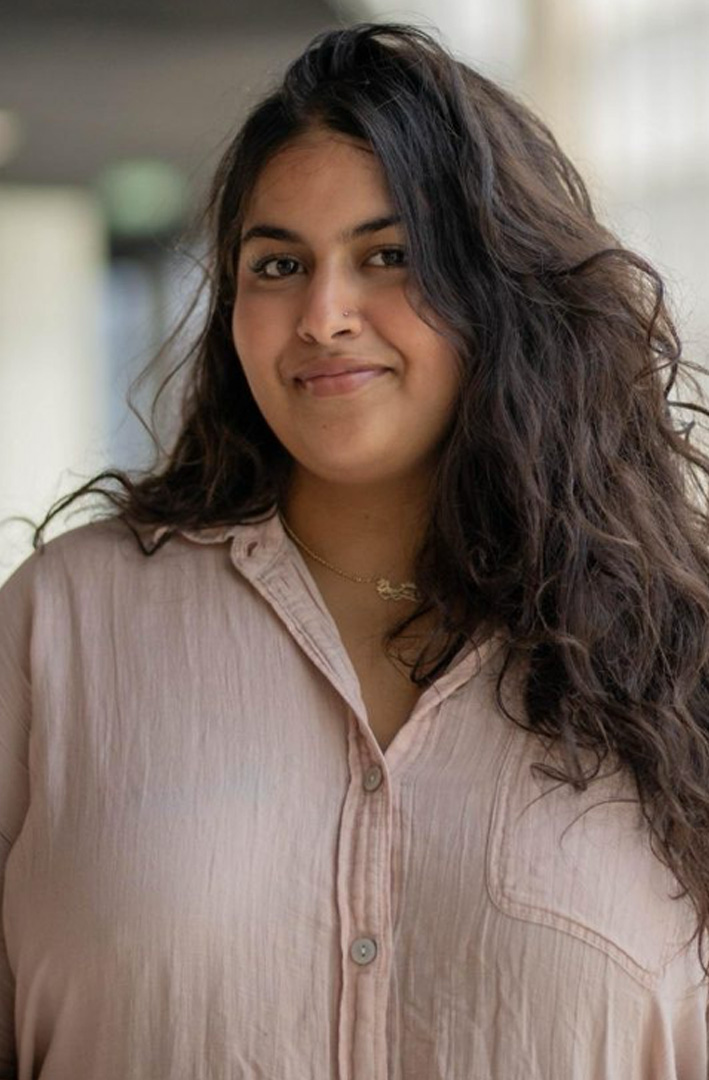
Alexandr Khalatyan '28, Lina Jafaar '28
Northwestern University in Qatar
Sam Meekings
Associate Professor in Residence
Northwestern University in Qatar
Wisteria is an experimental student-led publication at NU-Q that invites contributors to explore new forms of creative expression through writing, art, design, and multimedia storytelling. Born out of a moment of crisis and uncertainty, the zine became a space for students to process grief, isolation, and collective trauma while also imagining new ways forward. This session examines Wisteria as both a creative project and a case study in how students respond to adversity through making—offering a behind-the-scenes look at the publication's origins, editorial approach, and evolving identity. The conversation reflects on what it means to sustain creative practice during difficult times, how collaborative publication can build community, and why student-led platforms matter within institutional settings.
10:15 - 10:45 a.m.
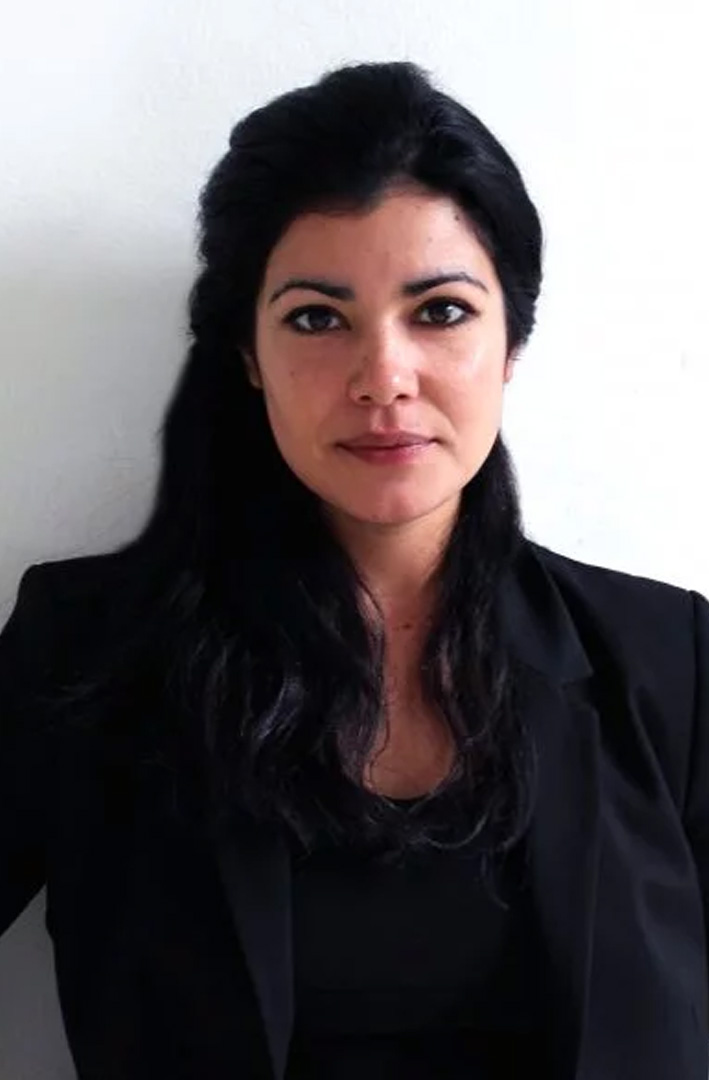
Alfredo Cramerotti
Director, Media Majlis Museum
Northwestern University in Qatar
Daniela Arriado
Curator, Founder
Screen City Biennial and Art Republic Platform
Drawing on our experience curating film and digital image festivals in the public realm, this podcast explores how moving image culture transforms cities, public discourse, and collective perception. Using Berlin and Stavanger as case studies — in dialogue with Screen City Biennial and its focus on the expanded moving image — the series examines how commissioned artworks, urban screens, and emerging technologies reshape storytelling, civic engagement, and cultural participation.
Through critical conversations on art, journalism, and artificial intelligence, the podcast aligns closely with Media Majlis Museum and Northwestern Qatar’s mission to cultivate critical media literacy — offering new blueprints for storytelling in the age of machine intelligence.
10:45 - 11:15 a.m.
Karen Smilowitz
Associate Provost for Undergraduate Education
James N. and Margie M. Krebs Professor in Industrial Engineering and Management Sciences & Operations Department, Kellogg
Northwestern University
S. Venus Jin
Professor in Residence
Associate Dean for Education
Northwestern University in Qatar
Through expert insights, real-world examples, and candid conversations, this podcast will explore the impact of AI technologies on various aspects of academia, including teaching strategies, grading methodologies, student learning experiences, creativity, academic integrity, and assessment methods. Two university administrators invite listeners to move beyond fear, rethink learning, and envision a future where AI technologies amplify human potential.
Keywords: AI in education, higher education, pedagogy, academic integrity, institutional change, faculty development, generative AI
11:15 - 11:45 a.m.
Ibrahim N. Abusharif
Associate Professor in Residence
Northwestern University in Qatar
Sylvie Uwonkunda
Digital Communication/Content Officer
Northwestern University in Qatar
This is a conversation about how artificial intelligence has impacted traditional religious authority and has led to changes in religious knowledge production.
11:45 a.m. - 12:15 p.m.
Malika Assanseitova '26
AURORA Grantee/Mentee, AIM Lab
Northwestern University in Qatar
Spencer Striker
Professor in Residence
AIM Lab AURORA Mentor
Northwestern University in Qatar
Game design has traditionally required specialized technical skills, extensive development time, and significant resources. Generative AI is changing this equation—enabling rapid prototyping, instant asset generation, and new possibilities for solo creators and small teams. This session demonstrates how AI tools can accelerate game development from concept to playable prototype, exploring workflows that combine prompt engineering, iterative generation, and creative problem-solving. Using real examples from student projects at NU-Q, the conversation examines what AI makes easier (visual assets, code scaffolding, narrative generation) and what it still struggles with (coherent game mechanics, design intent, player experience). The session offers a practical, grounded look at how AI is reshaping independent game development—and what that means for students, educators, and aspiring designers entering the field.
Keywords: game design, AI tools, prototyping, generative AI, independent games, creative workflows, student projects
1:15 - 2:15 p.m.
Dean and CEO Marwan M Kraidy is hosting an exclusive session proposing a different posture at Web Summit Qatar—one that pauses the velocity of innovation to ask harder questions about meaning, power, and responsibility.
This call is for leaders from academia, AI, technology, policy, and the creative industries, the conversation begins with opening remarks and introduction by Dean Kraidy to explore how media and AI frontiers are being shaped today, whose perspectives are centered, and how emerging frameworks might better reflect realities from the Global South as well as the Global North.
The session is conceived not as networking, but as shared inquiry: a space for attendees to surface tensions, align values, and forge relationships grounded in intellectual exchange. It is an opportunity for visitors to meet and engage with NU-Q scholars delving in the multidisciplinary spaces of storytelling excellence, creative practices, artificial intelligence scholarship, museum curatorial expertise, executive education and industry partners.
2:15 - 2:45 p.m.
Khatimat Abilova '27, Olzhasbek Zhakenov '26
Undergraduate Fellow, #IAS_NUQ
Northwestern University in Qatar
Scheherazade Safla
Assistant Professor in Residence
Northwestern University in Qatar
This podcast hosted by Scheherazade Safla invites NUQ students Khatimat Abilova and Olzhasbek Zhakenov to reflect on their recently completed fellowship with the Institute for Advanced Study in the Global South. They focus on their journeys through research, the personal connections that led them to their projects, and what they have learned about creating evidence-based storytelling projects with digital tools, from video game design to multimodal publishing.
2:45 - 3:15 p.m.
S. Venus Jin
Professor in Residence
Director, AIM Lab
Associate Dean for Education
Northwestern University in Qatar
Spencer Striker
Professor in Residence
Faculty Affiliate, AIM Lab
Northwestern University in Qatar
Led by the AIM-Lab Director and an AIM-Lab faculty affiliate/mentor, this podcast invites listeners to three pillars of the AI initiative at NU-Q: research, education, and community engagement. This podcast highlights interdisciplinary scholarship, curriculum innovation, responsible AI practices, and real-world applications, showcasing how academic leadership and collaboration translate cutting-edge R&D into educational innovation and meaningful societal impact.
Keywords: AI education, institutional strategy, cross-disciplinary learning, faculty development, curriculum design, higher education innovation
3:15 - 3:45 p.m.
Sumitrajit (Sumit) Dhar
Professor; Hugh Knowles Chair in Hearing Sciences
School of Communication
Northwestern University
S. Venus Jin
Professor in Residence
Associate Dean for Education
Northwestern University in Qatar
What does it mean and take to lead a high-impact R&D lab in a leading university? This podcast explores leadership, vision, mentorship, collaboration behind cutting-edge research, and the foundational philosophies of building exceptional teams. Two R&D lab leaders invite listeners to conversations about building teams, shaping culture, and translating academic innovation into meaningful societal impact.
Keywords: research leadership, lab management, R&D, mentorship, academic research, team dynamics, university labs
3:45 - 4:15 p.m.

Guy Shone
Editor-in-Chief and Lead Anchor
AnewZ
Gunel Huseynova '27
Northwestern University in Qatar
Scheherazade Safla
Assistant Professor in Residence
Northwestern University in Qatar
What happens when Northwestern University in Qatar students step beyond the classroom and into the deadline-driven spaces of professional broadcast journalism? In this episode, we speak to a senior newsroom representative for industry insight on mentoring budding journalists. What do news organizations look for in the next generation of media professionals, as they transition from the academic world to the professional world? We also hear from students who took that leap by completing internships with them.
Guy Shone is Editor-in-Chief and Lead Anchor for the international news and analysis channel AnewZ. AnewZ launched from zero to full international broadcast operation in just six months, now reaching audiences in 110 countries via satellite TV and multi-platform digital distribution. The channel has correspondents in 30 countries including Washington, London, Beijing, Tehran and Kabul. Guy worked for Euronews as Bureau Chief in Qatar. Previously, he worked for a wide range of BBC channels and News UK.
10:15 - 10:45 a.m.
Majid Al- Remaihi
Filmmaker and Film Programmer, Doha Film Institute (DFI)
Dana Atrach
Assistant Professor in Residence
Northwestern University in Qatar
A two-perspective conversation with Majid Al- Remaihi - DFI film programmer and filmmaker - on what make films work on screen and with audiences, and how emerging filmmakers can build craft and momentum with the right support around them. We also reflect on DFI's role in nurturing filmmakers and creating spaces for work to grow, develop, and be seen.
10:45 - 11:15 a.m.
Spencer Striker
Professor in Residence
Host, Rendered by Robots Podcast
Northwestern University in Qatar
Alessandra El Chanti
Admissions Specialist & Adjunct Lecturer
Co-Host, Rendered by Robots Podcast
Northwestern University in Qatar
Rendered by Robots is a podcast series featuring in-depth conversations with leading educators, designers, and researchers about how AI is reshaping creative and design education. Over the course of its first season, the podcast explored diverse perspectives on pedagogy, skill development, assessment, and the future of creative practice in an AI-augmented world. This session distills key insights from eight expert interviews, identifying recurring themes, tensions, and emerging best practices. Rather than offering prescriptive answers, the discussion highlights the questions educators are grappling with: What should students learn when AI can generate outputs instantly? How do we teach critical judgment alongside technical proficiency? What does creativity mean when machines can imitate style? The session offers a synthesized overview for educators, students, and anyone interested in how creative fields are navigating this moment of transformation.
Keywords: design education, AI pedagogy, creative practice, podcast insights, expert interviews, educational innovation
11:45 a.m. - 12:15 p.m.
Zeest Marrium '23 , Ahmad Barakat '24
Northwestern University in Qatar
Dana Atrach
Assistant Professor in Residence
Northwestern University in Qatar
Two Studio 20Q alumni, two vantage points on what "real-world" filmmaking actually demands. Former Studio 20Q President Zeest Marrium breaks down the student-run model from the inside: how funding decisions get made, how the board supports grantees without taking over the film, and how standards and creative risk get balanced in practice. Filmmaker Ahmad Barakat takes us from student sets to industry pace: what changes on professional productions, what stays the same, and the practical habits that help emerging filmmakers thrive. Together, they connect leadership, craft, and workflow into one clear picture of how 20Q prepares students for what comes next.
12:15 - 12:45 p.m.

Greg Lowe
Professor in Residence
Director, Executive Education
Northwestern University in Qatar
Simon Ferguson
CEO
Resolution Films
Simon Ferguson, CEO of Resolution Films in Doha, joins Professor Gregory Ferrell Lowe for a lively and informative discussion that explains what's happening today in Qatar's booming film industry as the country is set to become a major player in the global market. Learn about exciting opportunities coming in 2026, why and how Qatar will be a global competitor, how AI is transforming film production, and what Qatar's forward thinking leaders envision and are doing to facilitate rapid growth in the industry.
12:45 - 1:15 a.m.
Nisar Keshvani
Assistant Dean for Communications and Public Affairs
Northwestern University in Qatar
Dr. Asyia Kazmi
CEO
World Innovation Summit for Education (WISE)
This special episode of the Northwestern Qatar podcast features Dr. Asyia Kazmi, OBE, CEO of the World Innovation Summit for Education (WISE), in conversation with Nisar Keshvani, Assistant Dean for Communication and Public Affairs at Northwestern University in Qatar, recorded at NU-Q pavilion at Web Summit Qatar 2026 as part of its programming.
The conversation will explore how education is being reimagined amid profound technological, social, and cultural change.
As a global platform connecting policymakers, researchers, practitioners, and learners, WISE has positioned itself as a catalyst for new ideas and collaborative solutions in education. Northwestern University in Qatar, meanwhile, contributes to this evolving ecosystem as an educator, knowledge producer, media maker, and creative institution operating at the intersection of education, media, and technology.
Keshvani and Kazmi will examine how institutions like WISE and Northwestern Qatar are responding to widening gaps between current education systems and the needs of future generations.
1:15 - 1:45 p.m.
Nasr ul Hadi
Executive Committee Member
ICFJ+
Ilhem Allagui
Associate Professor in Residence
Director, Journalism and Strategic Communication Program
Northwestern University in Qatar
Drawing on ICFJ+’s work across journalism and civic technology, this session shares practical insights from collaborations with newsrooms, creators, and technologists worldwide. It explores how AI and data are being applied in real contexts, what is delivering impact, and what remains experimental, particularly across the Global South.
Keywords: Journalism innovation; Civic technology; AI in news; Data for impact; Newsroom collaboration; Creator economy; Global South; Applied AI.
1:45 - 2:15 p.m.
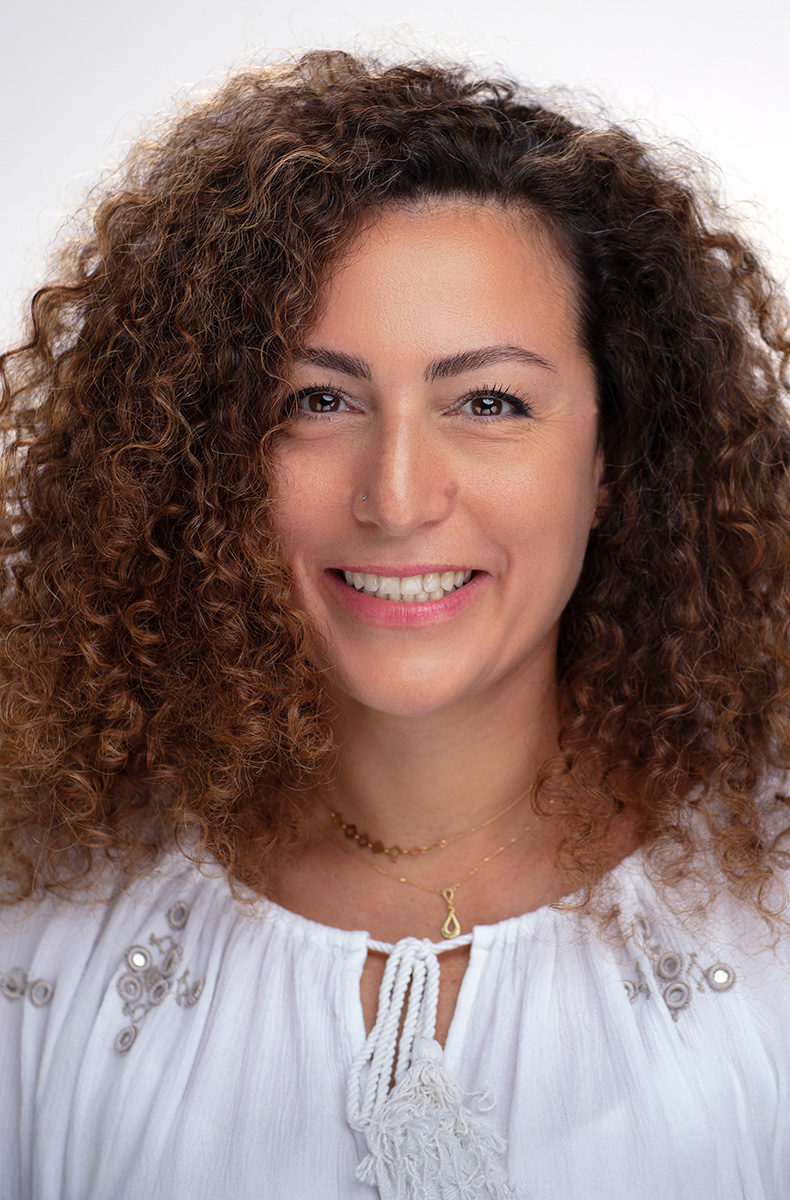
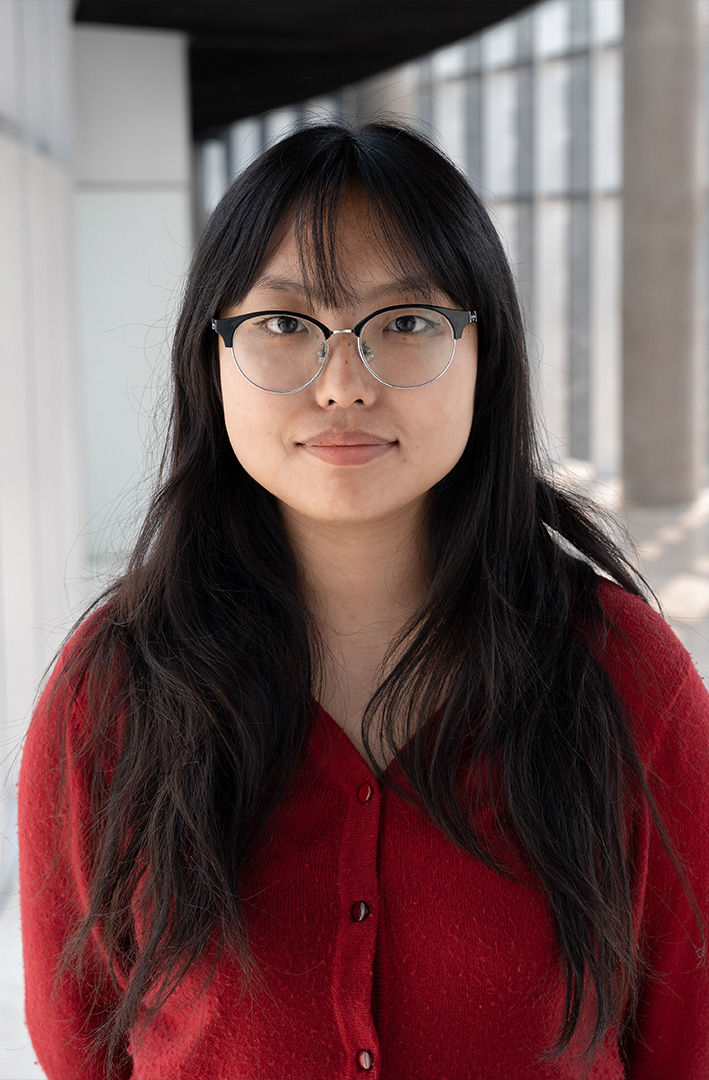
Claudia Kozman
Associate Professor in Residence
Northwestern University in Qatar
Tayamai Rai '27
Northwestern University in Qatar
NU-Q VIEWS is a student-led publication platform that has evolved significantly since its launch, reflecting shifts in student voice, editorial priorities, and the media landscape itself. This session traces the publication's journey—from its founding vision to its current form—examining how student journalism at NU-Q has adapted to changing technologies, audience expectations, and the realities of producing meaningful content within an academic setting. The conversation explores what works (and what doesn't) in sustaining student-led media, how editorial leadership transitions shape a publication's identity, and what lessons can be drawn from VIEWS' ongoing evolution. Grounded in firsthand experience from both faculty advisors and student contributors, the session offers insight into the challenges and opportunities of building independent student media in a rapidly shifting information environment.
Keywords: student journalism, editorial evolution, media platforms, student voice, publication leadership, campus media
2:15 - 2:45 p.m.
Olzhasbek Zhakenov '26
Undergraduate Innovator, AIM Lab
Northwestern University in Qatar
S. Venus Jin
Professor in Residence
Director, AIM Lab
AIM Lab Innovator Mentor
Associate Dean for Education
Northwestern University in Qatar
This podcast features an AIM-Lab student innovator who has developed an AI-powered tutor for Arabic language learning. It invites listeners to explore how adaptive technologies personalize instruction, support pronunciation and grammar, and bridge gaps between dialects and Modern Standard Arabic. Through educator perspectives and student experiences, this podcast discusses opportunities, limitations, and how AI can enhance human-guided language education.
Keywords: AI tutors, adaptive learning, personalized education, language learning, student projects, educational technology
2:45 - 3:15 p.m.
Shakeeb Asrar
Assistant Professor in Residence
Northwestern University in Qatar
Scheherazade Safla
Assistant Professor in Residence
Northwestern University in Qatar
South Asia's information ecosystem is shaped by sensationalist journalism, political polarization, and platforms optimized for engagement over accuracy—conditions that make the region particularly vulnerable to AI-driven misinformation. As generative AI makes it easier to produce convincing fake content at scale, the challenges facing journalists, fact-checkers, and audiences in countries like India, Pakistan, and Bangladesh are intensifying. This session examines how AI is being weaponized to spread disinformation in South Asia, exploring case studies of manipulated media, deepfakes, and coordinated influence campaigns. It also considers what responses are emerging—from newsrooms adopting verification tools to grassroots media literacy efforts—and why solutions designed for Western contexts often fail to account for South Asia's unique media landscape. The conversation offers a grounded, region-specific perspective on one of the most urgent challenges facing global journalism today.
Keywords: misinformation, South Asia, AI disinformation, journalism, sensationalism, deepfakes, media literacy, fact-checking
3:15 - 3:45 p.m.
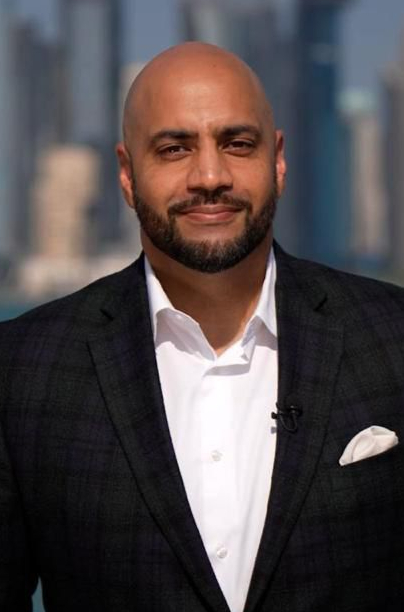
Aadel Haleem
Managing Editor
Euronews Doha
Shrooq Fahad Alyafei '27
Scheherazade Safla
Assistant Professor in Residence
Northwestern University in Qatar
What happens when Northwestern University in Qatar students step beyond the classroom and into the deadline-driven spaces of professional broadcast journalism? In this episode, we speak to a senior newsroom representative for industry insight on mentoring budding journalists. What do news organizations look for in the next generation of media professionals, as they transition from the academic world to the professional world? We also hear from students who took that leap by completing internships with them.
Aadel Haleem is a Doha-based News Managing Editor with Euronews. Aadel has interviewed some of the world’s most influential figures, including Nobel Laureate Muhammad Yunus, F1 legend Lewis Hamilton, Olympic athlete Ibtihaj Muhammad, comedian Mo Amer, tennis star Ons Jabeur, artist Jeff Koons, rapper French Montana and UFC champion Islam Makhachev. Originally from Toronto, Aadel was a reporter and anchor with CBC, where he covered major international stories — from Black Lives Matter marches in Detroit, to the Flint water crisis, U.S. election rallies and the Women’s March on Washington. In 2017, he joined TRT World as a presenter and correspondent, based in Istanbul.
3:45 - 4:15 p.m.
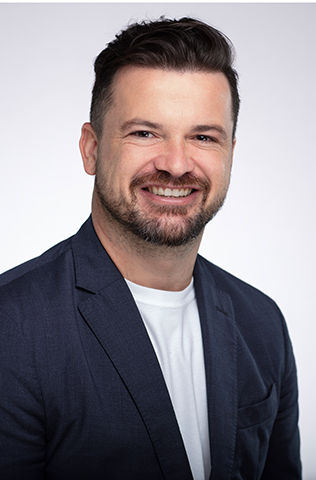
Marc Owen Jones
Associate Professor in Residence
Northwestern University in Qatar
Scheherazade Safla
Assistant Professor in Residence
Northwestern University in Qatar
Disinformation is evolving beyond traditional propaganda into more sophisticated forms of manipulation designed to exploit algorithmic systems, erode institutional trust, and shape public discourse without direct falsehoods. "Dysinfluence" describes this broader phenomenon: the strategic use of influence operations, computational propaganda, and coordinated inauthentic behavior to distort information environments and undermine collective sense-making. As generative AI lowers the barriers to creating convincing synthetic content and automating influence campaigns, these tactics are becoming more scalable, harder to detect, and increasingly difficult to counter. This session explores emerging trends in disinformation and dysinfluence—from deepfakes and AI-generated personas to microtargeted manipulation and platform vulnerabilities—drawing on recent research and real-world case studies. The conversation examines what's changing, what remains constant, and what new approaches might be needed to address information integrity in an AI-saturated media landscape.
Keywords: disinformation, dysinfluence, computational propaganda, AI manipulation, influence operations, information integrity, synthetic media
At Web Summit Qatar 2026, the Media Majlis Museum presents Media Futures: Memes, Machines & New Realities, a three-zone interactive exhibition examining how media, technology, and storytelling are reshaping human experience. Designed as a dynamic extension of the museum’s research-driven approach, the installation invites audiences to explore how digital culture influences belief, behavior, and the way we understand the world.
The Meme Zone confronts the power and politics of viral content through a curated loop of global memes, from Brazil to India to Ethiopia, revealing how humor, satire, and misinformation circulate across cultures and shape public narratives.
The Machine Zone guides visitors through 20 real-world case studies demonstrating how AI and machine learning are transforming journalism and information flows. This interactive area challenges audiences to consider “who or what”, will define the future of truth, ethics, and credibility in a rapidly shifting media landscape.
The final New Realities Zone features the award-winning VR film Remember This Place: 31°20′46″N 34°46′46″E, immersing viewers in deeply personal stories of displacement and belonging from historic Palestine. Through this experience, audiences explore how technology can deepen empathy and expand the boundaries of storytelling.
Together, these zones transform the booth into a living laboratory of media futures.
9:00 a.m. - 4:00 p.m.
February 2 - 4


