The Global Fellowship program is intended for researchers pursuing projects of relevance to the histories, cultures, societies, and media of the Global South. The fellowship provides scholars with dedicated time and an intellectually vibrant environment to advance their research while engaging with the Institute's interdisciplinary community.

In addition to pursuing their own research projects, #IAS_NUQ Global Fellows are fully engaged in the intellectual life of the Institute. Fellows participate in research groups, receive feedback on their work-in-progress, and take part in #IAS_NUQ events. They are expected to present publicly on their research/creative scholarship and are encouraged to produce one multilingual working paper or creative output with #IAS_NUQ_Press during their affiliation with the Institute.

The duration of an #IAS_NUQ Global Fellowship ranges from a minimum of one month to a maximum of one academic term. As a residential fellowship, Global Fellows are expected to work on campus at least four days a week throughout the duration of their fellowship.

2026 - 2027

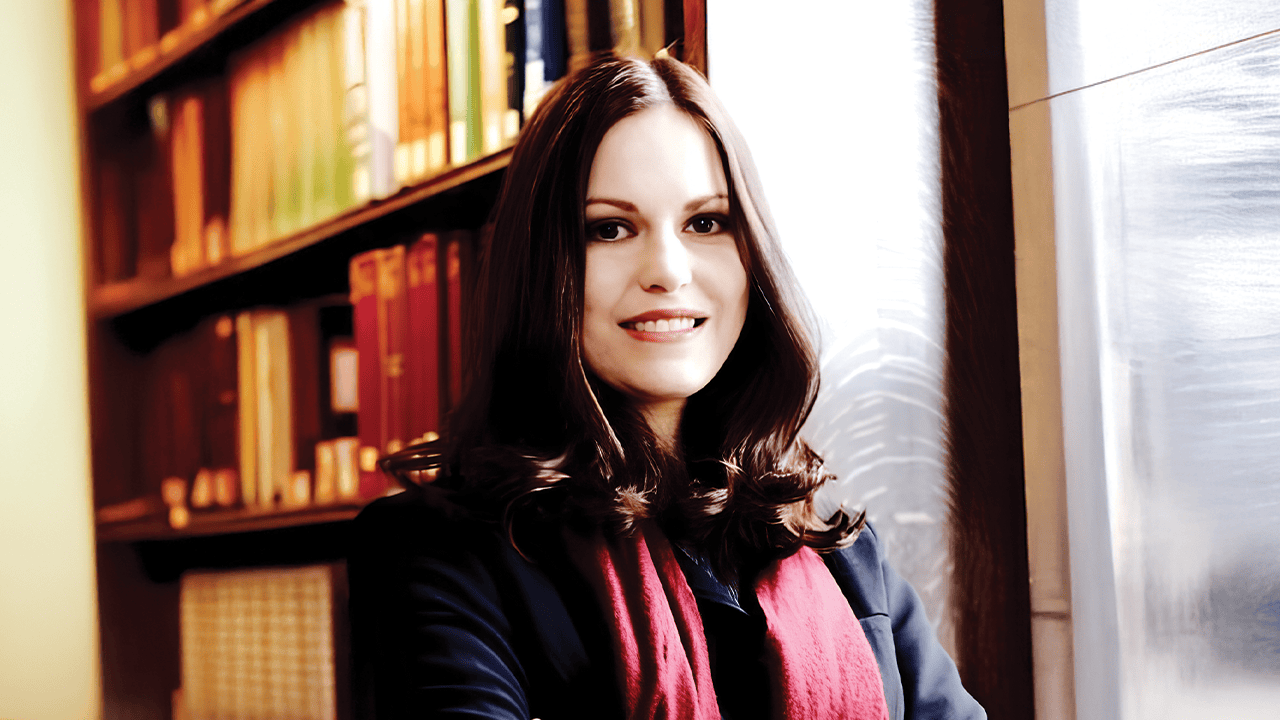
Larissa Buchholz is an associate professor of communication studies at Northwestern University and professor of sociology, by courtesy. She is also a faculty fellow at Yale University’s Critical Realism Network. Her research examines culture, markets, and regimes of value from global and transregional perspectives and has contributed to the development of interdisciplinary approaches to global and transnational field analysis. She is the author of The Global Rules of Art, an award-winning book that examines how contemporary art became organized as a global field and how artists from historically marginalized regions achieve global recognition.

Previously a junior fellow at the Harvard Society of Fellows, Buchholz earned three master’s degrees and a PhD in sociology from Columbia University. Her scholarship has received national and international recognition, and she has delivered invited lectures and keynote addresses around the world. She serves as co-editor of Sociological Theory and as a trustee of the International Art Market Studies Association.

At #IAS_NUQ, Buchholz will explore how contemporary art markets emerge and stabilize across the Global South, drawing on extensive fieldwork in China, Qatar, and Mexico. Shifting attention from institutions and intermediaries to collectors and art buyers, the project examines how new cultures of consumption and valuation take shape and sustain cultural markets over time. It develops a new framework for understanding how domestic, regional, and global influences combine to shape distinct pathways of market development. By foregrounding Qatar alongside other Global South cases, the project offers new perspectives on cultural decentralization, market formation, and the changing geographies of cultural value in the 21st century.
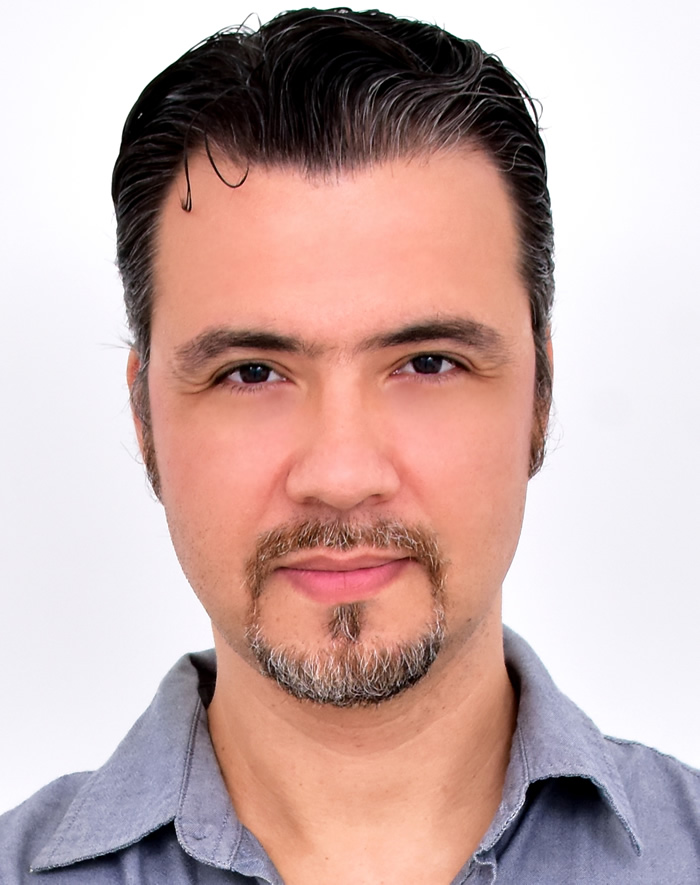
Geraldo Adriano Godoy de Campos is a professor in the Department of International Relations at the Federal University of Sergipe in Brazil, where he also directs the International Center for Arab and Islamic Studies. He is the scientific coordinator of UNESCO’s “Arab Latinos!” program and co-director, with Christian Mouroux, of the LatinArab International Film Festival. From 2012 to 2017, he directed the Arab Film Festival in Brazil, Mostra Mundo Árabe de Cinema. Since 2023, he has served as a jury member for the UNESCO-Sharjah Prize for Arab Culture. Campos was a visiting fellow at the National Museum of Ethnology in Osaka, Japan, in 2025 and at the University of Coimbra in Portugal in 2011. His research spans archives, Arab cinema, Palestinian art, and Afro-diasporic diplomacy in Brazil.

At #IAS_NUQ, Campos will examine cinematic relations between Latin America and Arab countries, focusing on the political solidarities of the 1960s and 1970s shaped by anticolonial movements. As part of a book project, he will analyze films such as Palestina, Otro Vietnam, by Jorge Gianoni and Jorge Denti, and Sanaud, by José Antonio de Barros Freire. The chapter situates Latin Arab cinema within a global moment of solidarity, exploring the diversity of filmmaking practices dedicated to liberation struggles in the late 20th century.
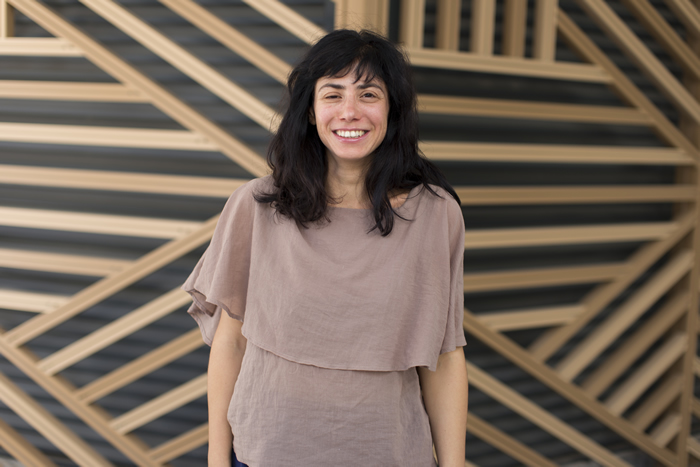
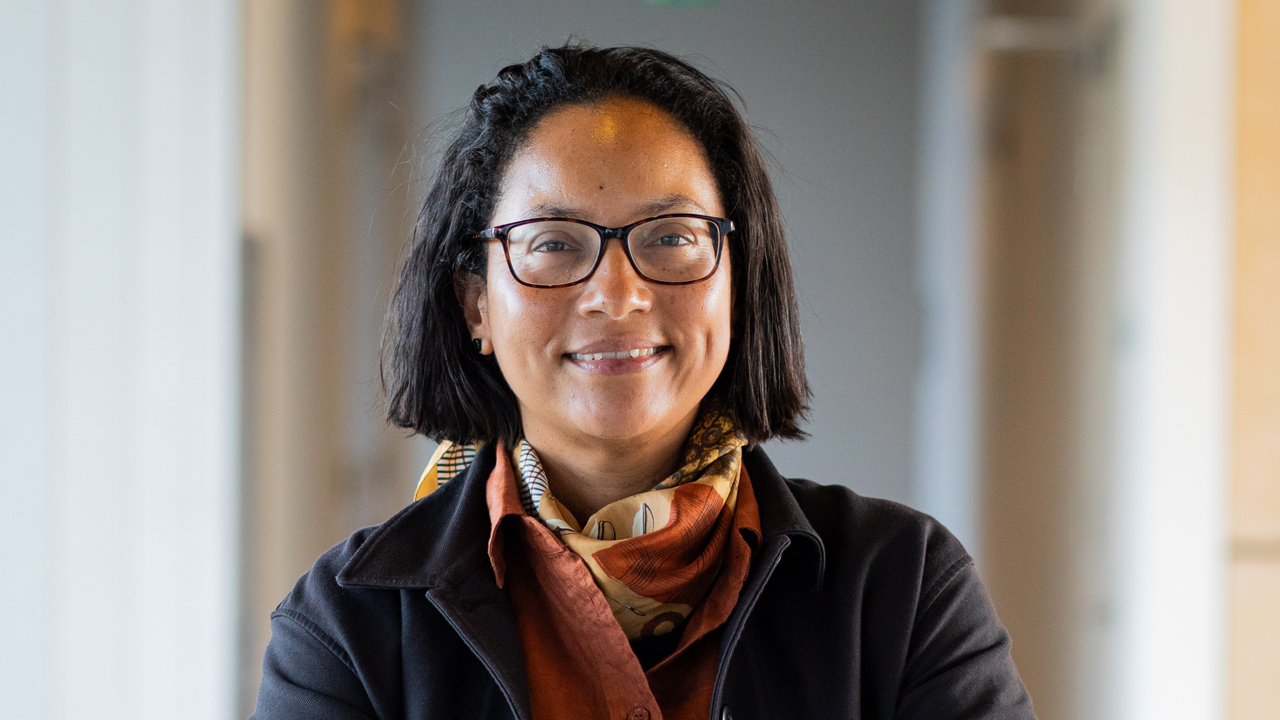
Özge Baykan Calafato is a lecturer in literary and cultural analysis at the University of Amsterdam and also teaches in the archival studies program at Sorbonne University Abu Dhabi. Her research focuses on photography, archives, heritage, and transnational memory, with particular attention to vernacular visual cultures and migration histories across Turkey, the Eastern Mediterranean, and the Gulf. She is the author of Making the Modern Turkish Citizen: Vernacular Photography in the Early Republican Era, which explores how self-representations in vernacular photographs negotiated notions of national identity, modernity, and citizenship during the formative years of modern Turkey. Between 2014 and 2020, she served as assistant director of Akkasah, the Center for Photography at New York University Abu Dhabi.

At #IAS_NUQ, Calafato will examine vernacular photography as archival excess on social media, linking the digital circulation of analog images from the 1970s through the 1990s to transnational memory and diasporic belonging in the Gulf. Focusing on images from Qatar and the United Arab Emirates, the project explores how everyday photographs of leisure, work, domesticity, and urban transformation, shared by resident and diasporic communities, form a digital archive that is too abundant and affective to be contained by conventional archival practices. It asks how social media platforms have become central infrastructures for collective memory and for reshaping transnational histories of the Gulf.

As part of her fellowship, Calafato will also develop a working paper that advances archival excess as a conceptual framework for studying the digital circulation of analog images across Qatar and the United Arab Emirates.
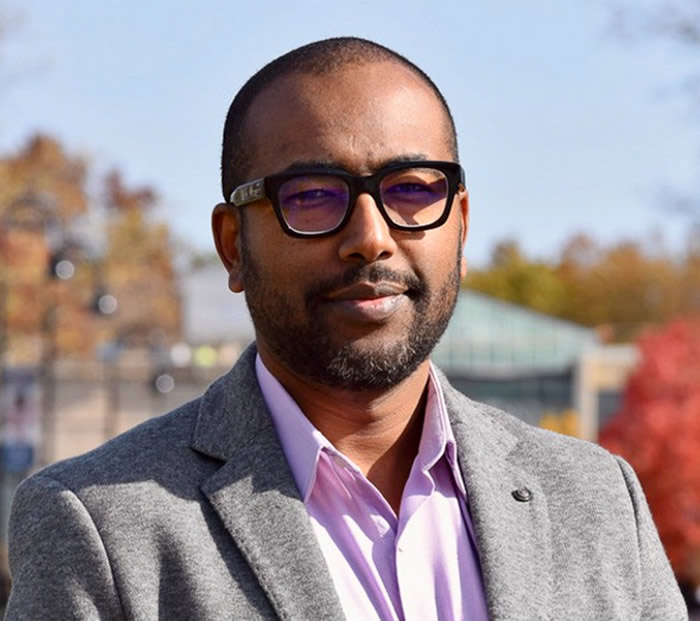
Téwodros Workneh is an associate professor of global communication in the School of Communication Studies at Kent State University. He received his PhD from the University of Oregon. His research explores global media industries and policies through critical political economy and postcolonial frameworks, with particular attention to the historical and contemporary dynamics of state-media relations in Ethiopia and the Ethiopian diaspora. His recent scholarship examines culinary adventure reality television and the portrayal of African destinations and foodways. Workneh has published widely in peer-reviewed journals and edited volumes, serves as the Elliott Design Innovation Fellow, and is the editor of The Palgrave Handbook of Soft Power and Global Media in the 21st Century.

At #IAS_NUQ, Workneh will analyze interviews to map the rupture and resilience of offline communication networks following displacement. His project explores how communities negotiate state-sanctioned erasure, sustain fractured social networks, and use digital platforms to memorialize disappearing neighborhoods. It also develops a framework for understanding localized models of spatial resistance and civic legibility amid aggressive urban restructuring.
2025 - 2026

Mostafa Minawi is a professor of history at Cornell University. His research explores the intimacies of global history through the lens of Ottoman imperialism and inter-imperial competition in Central and Northeastern Africa, Southwest Asia, and Southeastern Europe, with a focus on archival sources from the Global South.

Minawi is the author of The Ottoman Scramble for Africa: Empire and Diplomacy from the Sahara to the Hijaz (Stanford University Press, 2016) and Losing Istanbul: Arab-Ottoman Imperialists and the End of Empire (Stanford University Press, 2022), which was co-awarded the Albert Hourani Book Prize. His work spans international law, late 19th-century imperialism, and microhistory, and has been supported by fellowships in Turkey, Lebanon, Germany, and the United States. He has taught in the United States, South Korea, and Lebanon, and is currently working on his third monograph, The Global History of a Roof Top in Jerusalem at the Turn of the Twentieth Century: The Geopolitics of Imperialism from Palestine to the Horn of Africa.

During his fellowship at #IAS_NUQ, Minawi will work on a chapter examining Italian-Ethiopian-Ottoman relations between 1885 and 1914, linking politics of religious protection in Jerusalem to imperial dynamics in the Horn of Africa.

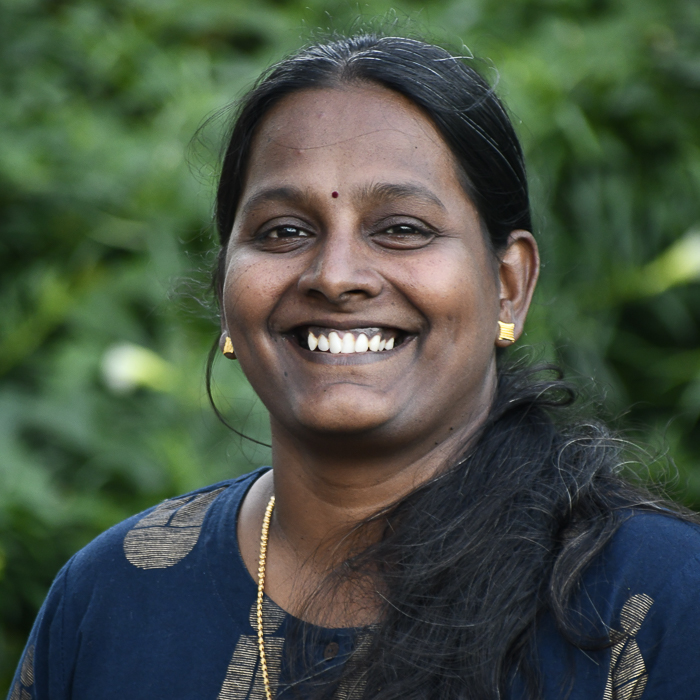
Sara Mourad is an assistant professor of media studies at the American University of Beirut. She is a writer, teacher, and scholar of gender, media, and Arab public cultures. Her research examines the cultural politics of sexuality and the histories and epistemologies of contemporary feminist thought. 

Her work, published in both English and Arabic, spans academic journals, edited volumes, and media and literary platforms. Mourad received her PhD from the University of Pennsylvania. She was a Global Visiting Scholar at New York University’s Center for the Study of Gender and Sexuality in 2018 and a 2021–22 EUME Fellow at the Forum for Transregional Studies in Berlin. She is currently completing her first monograph,An Intimate History of Debt and Inheritance in Postwar Lebanon. 

At #IAS_NUQ, Mourad will work on her book-in-progress, The Skull in the Attic, which examines the family home as both a place and an archive, exploring how ruptures within the family and the nation shape alternative forms of belonging in postwar Lebanon.

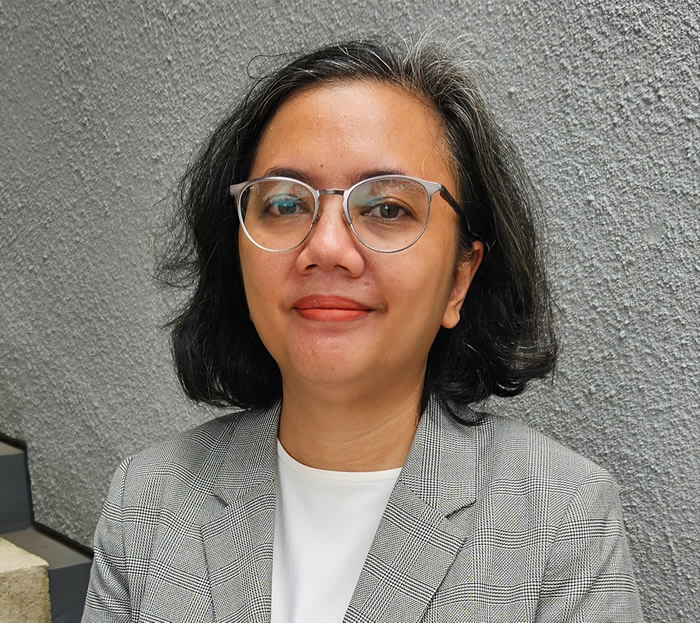
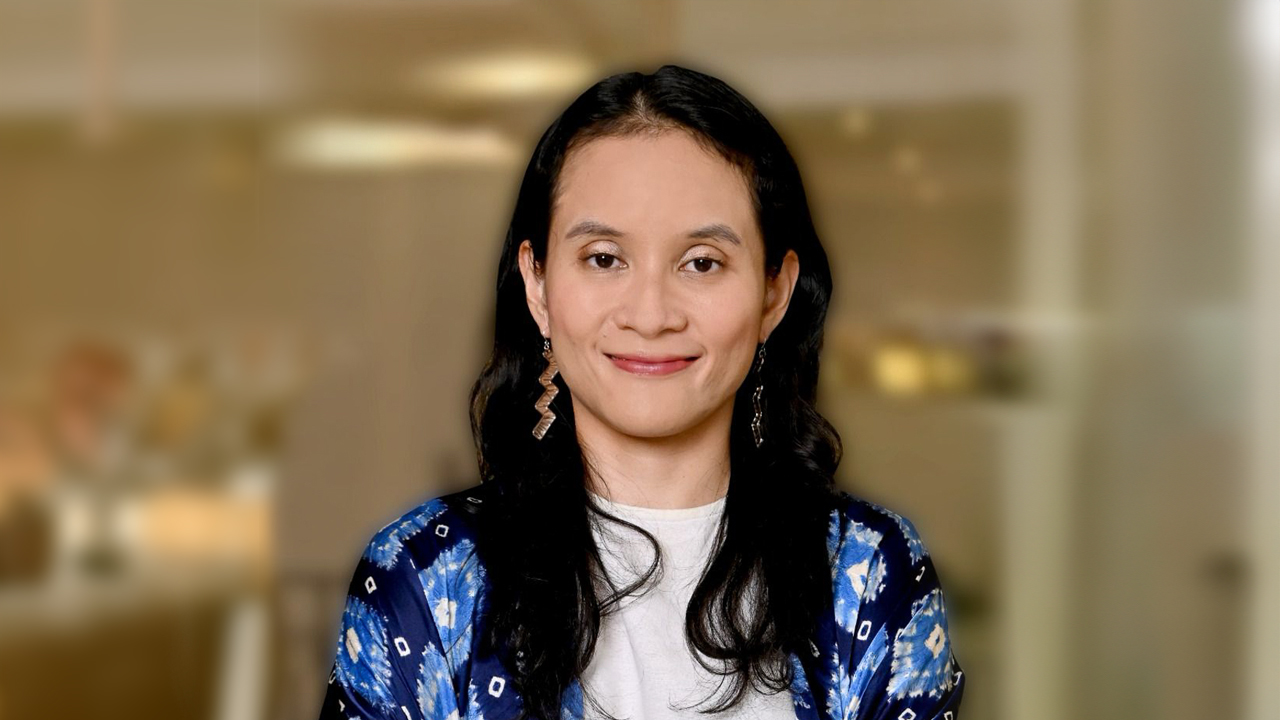
Asri Saraswati is an assistant professor in the English Studies Program at the Faculty of Humanities, University of Indonesia. She is also an affiliate lecturer in the American Studies Program and a research fellow at the Asia Research Centre at UI. Her work focuses on postcoloniality and transnationality in literature and culture, with particular attention to race, gender, and cultural politics in Indonesia. 

Saraswati’s research examines knowledge production, class and gender, mobility, and the politics of representation in postcolonial contexts. Her recent publication, “Fraught Relations: Indonesian Modest Fashion, New York Catwalks, and the Spectacle of Travel,” appears in Gender, Islam and Sexuality in Contemporary Indonesia (2024). In addition to academic work, she writes for public platforms such as Kompas, Warscapes, Indonesia at Melbourne, Anotasi, and THE Campus.

As part of her fellowship at #IAS_NUQ, Saraswati will work on her book manuscript Navigating Cold War Cultural Politics: Literary Aesthetics of Indonesian Sojourn Writers, which explores how Cold War-era transnational literary networks shaped knowledge production and aesthetics in Indonesia.

Téwodros Workneh is an associate professor of global communication at the School of Communication Studies at Kent State University. His research engages global media industries and policies through the lenses of critical political economy and postcolonial theory.

Workneh’s scholarship examines both the historical and contemporary dynamics of state–media relations in Ethiopia and within the Ethiopian diaspora, with a particular focus on policymaking, legislative frameworks, and regulatory environments. His recent work extends into cultural studies, interrogating culinary adventure reality television and the representation of African destinations and foodways in global media. His articles have appeared in leading interdisciplinary journals, including International Journal of Communication, Communication, Culture & Critique, Journalism Studies, Review of African Political Economy, Information, Communication & Society, and Media, Culture & Society. He is also the co-editor of Counter-Terrorism Laws and Freedom of Expression: Global Perspectives and has contributed multiple chapters to edited volumes. 

As part of his fellowship at #IAS_NUQ, Workneh will examine how Ethiopian and Eritrean communities in the Gulf, particularly in the UAE and Qatar, use digital media platforms such as YouTube, Facebook, and internet radio to engage with and shape political discourses related to their homelands.

2024 - 2025

sagnik-dutta.jpg

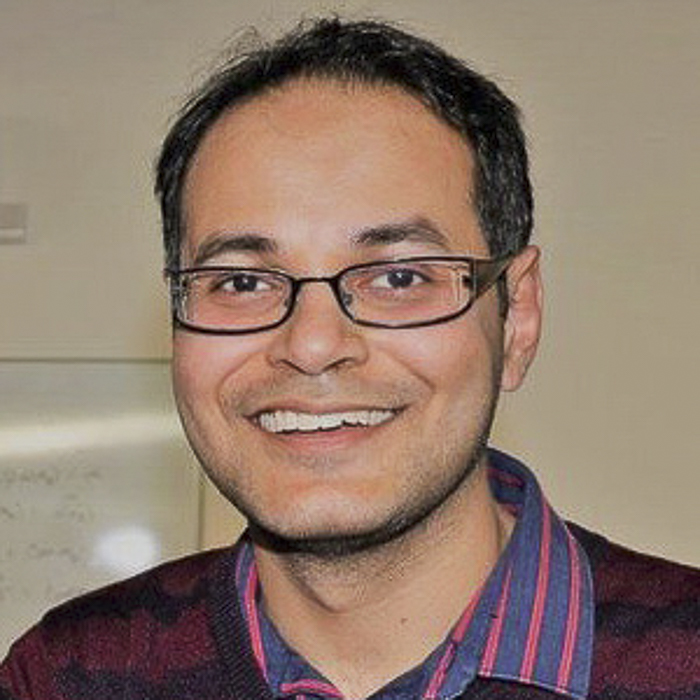
Sagnik Dutta is an associate professor at OP Jindal Global University. Their research interests include global/postcolonial approaches to counterterrorism, data colonialism, data justice, secularism, gender, and minority citizenship. Their work lies at the intersection of political theory, legal anthropology, postcolonial/decolonial theory, and gender studies.

As part of their fellowship, Dutta seeks to explore the interaction between various scales of legal activism and advance scholarship on algorithmic surveillance and critical studies of algorithms beyond abstract legal categories. Dutta's project is an ethnographic exploration of everyday negotiations between lawyers and digital rights activists, with algorithmic surveillance by the state in Delhi, India. By examining engagements with the law, Dutta aims to understand how local legal cultures shape legal consciousness in situations of surveillance.

patrick-murphy.jpg

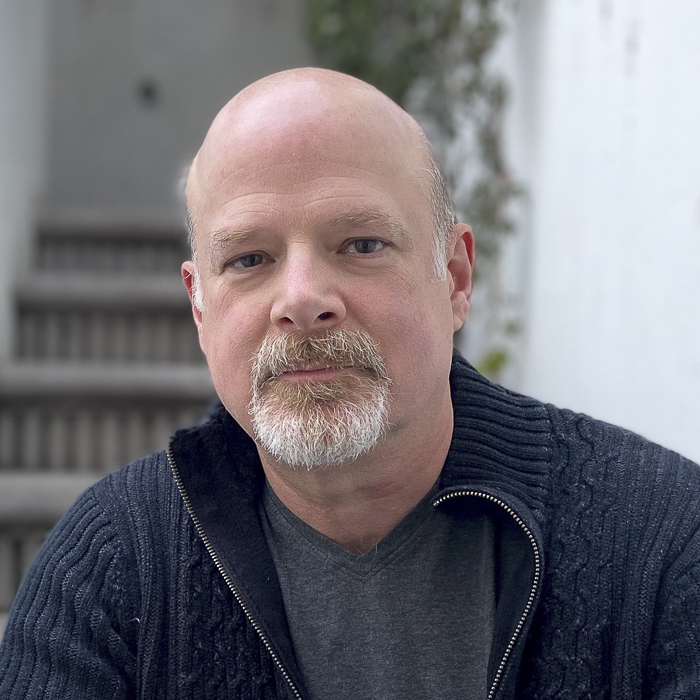
Patrick Murphy is a professor of Media Studies and Production at Temple University. His research interests include global communication, environmental communication, development communication, ethnographic methods, and Latin American media and cultural theory. He is the author of The Media Commons: Globalization and Environmental Discourses and has co-edited several volumes. Murphy has been a visiting professor in the School of Communication and Humanities, Instituto Tecnológico y de Estudios Superiores de Monterrey (ITESM), Querétaro, Mexico, was a Fulbright-Garcia Robles fellow in Mexico, and served as a delegate of the American Documentary Showcase series in Ecuador.

As an #IAS_NUQ Global Fellow, Murphy will work on a book chapter on post-development, degrowth, and other decolonial discourses related to environmentalism. This chapter is part of a larger book project, "Communication, Development, and the Environment," which traces the place of the environment within the field of communication for development and social change (CDSC).

chikezie-uzuegbunam.jpg

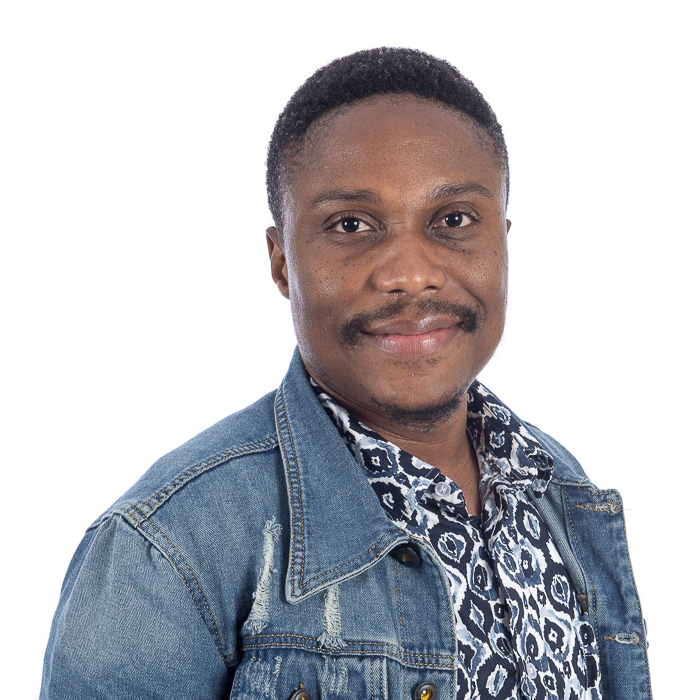
Chikezie Uzuegbunam is the MA Programme Coordinator and Deputy Head of School in the School of Journalism and Media Studies at Rhodes University, South Africa, where he teaches Media Studies. He has published extensively on digital technology and young people, popular culture, political and health communication, and misinformation.

At #IAS_NUQ, Uzuegbunam will concentrate on the book project for the Mellon Foundation-sponsored initiative "Youth, Sociality, and Digitality in South Africa." As the project's lead investigator, he will map the process of sorting, cleaning, and strategizing the analysis of the varied categories of data gathered for this project. He will also work on the first chapter during his time at #IAS_NUQ.

ratnamala-vanamalai.jpg

Ratnamala Vanamalai is a professor and chair of Communication Studies at Mizoram University, India. She holds a PhD from Manonmaniam Sundaranar University, Tamil Nadu, and has been a visiting fellow at Cornell University. Her research interests include caste and communication, media and minorities, race, space, and the city, as well as media and indigeneity.

During her fellowship at #IAS_NUQ, Vanamamalai aims to examine the dichotomy between modern media and traditional news values within a syncretic model of Mizo media in Mizoram, a north-eastern state of India that shares a border with Myanmar and Bangladesh. She will explore the role of the Young Mizo Association (YMA) in shaping the news culture in Mizoram and how Tlangau, the indigenous medium run by YMA, influences communication in Mizo society. She will work on her manuscript on the hegemony of state, religion, and indigeneity in media pluralism, focusing on the portrayal of Mizoram in Indian national media and the influence of religion on media practices in the region.

2023 - 2024

bosch-tanja.jpg

Tanja Bosch is a professor of media studies and production at the Centre for Film and Media Studies at the University of Cape Town, South Africa. Her current research includes work on southern epistemologies, feminist digital citizenship, the politics of racial platform capitalism, and social media culture and activism. 

During her fellowship at #IAS_NUQ, Bosch will work on the introductory chapter of Feminist Digital Citizenship in Africa: Agency, Rights, and Resistance (Zed Books) that will serve as the book’s foundational framework and set the stage for an exploration of how digital technologies intersect with feminist activism and citizenship. She will also present a research colloquium investigating the intersection of platform capitalism and racial politics, with a specific focus on the SweepSouth app in Cape Town, South Africa.

yasih-diatyka.jpg

Diatyka Yasih is a faculty member of the Department of Sociology and deputy director for academic affairs at the Asia Research Centre at the Faculty of Social and Political Sciences at Universitas Indonesia. Her research focuses on the increasing precarity in work and life under neoliberal pressures and its link to social and political developments in contemporary Indonesia and across Southeast Asia.

At #IAS_NUQ, Diatyka will work on her book manuscript, Precarious Workers in the Gig Economy: Neoliberalism and its Discontents in Indonesia, which examines precarious gig workers in app-based transport services in Indonesia as part of the broader gig economy. The book delves into challenges experienced by Indonesian gig workers in articulating their struggles through a precarity discourse.