The Institute for Advanced Study in the Global South at Northwestern University in Qatar (#IAS_NUQ) has introduced “TransAsian digitalities” as a new framework for examining digital life beyond Western-centric epistemic genealogies.
From interAsian to transAsian digitalities, a special issue of First Monday, co-edited by #IAS_NUQ Director Clovis Bérgere and Northwestern Qatar Dean and CEO Marwan M. Kraidy, reconceptualizes Asia as a dynamic, interconnected formation defined by relationships, continuities, divergences, and differences rather than fixed geographic boundaries. Founded in 1996, First Monday is one of the earliest openly accessible, peer-reviewed journals dedicated to Internet research.
This special issue is the culmination of the two-year InterAsian Digitalities initiative at #IAS_NUQ, a sub-project launched in spring 2023 of the Institute’s core research theme, Southern Digitalities. It was developed through workshops, panels, and conferences in Australia, Lebanon, New Zealand, Qatar, and the United States, alongside the Arab Council for the Social Sciences’ InterAsia Partnership.
“We are shifting to TransAsian digitalities because we believe the prefix trans-, which reflects forces operating across and within different nation-states, socio-cultural spheres, and domains of political and economic activity, rather than simply between them, as inter- suggests, better reflects the interdisciplinarity and transnationalism inherent in our approach, and better captures the excellent contributions in this special issue,” noted Marwan M. Kraidy, CEO of Northwestern Qatar and Clovis Bergère, director of the Institute, in the co-authored introduction. “We see TransAsian digitalities and Southern Digitalities as intimately linked. [Both invite us to take] seriously sites outside the Western world from which to conduct research and theorize the digital era.”
“We see TransAsian digitalities and Southern Digitalities as intimately linked. [Both invite us to take] seriously sites outside the Western world from which to conduct research and theorize the digital era”
-
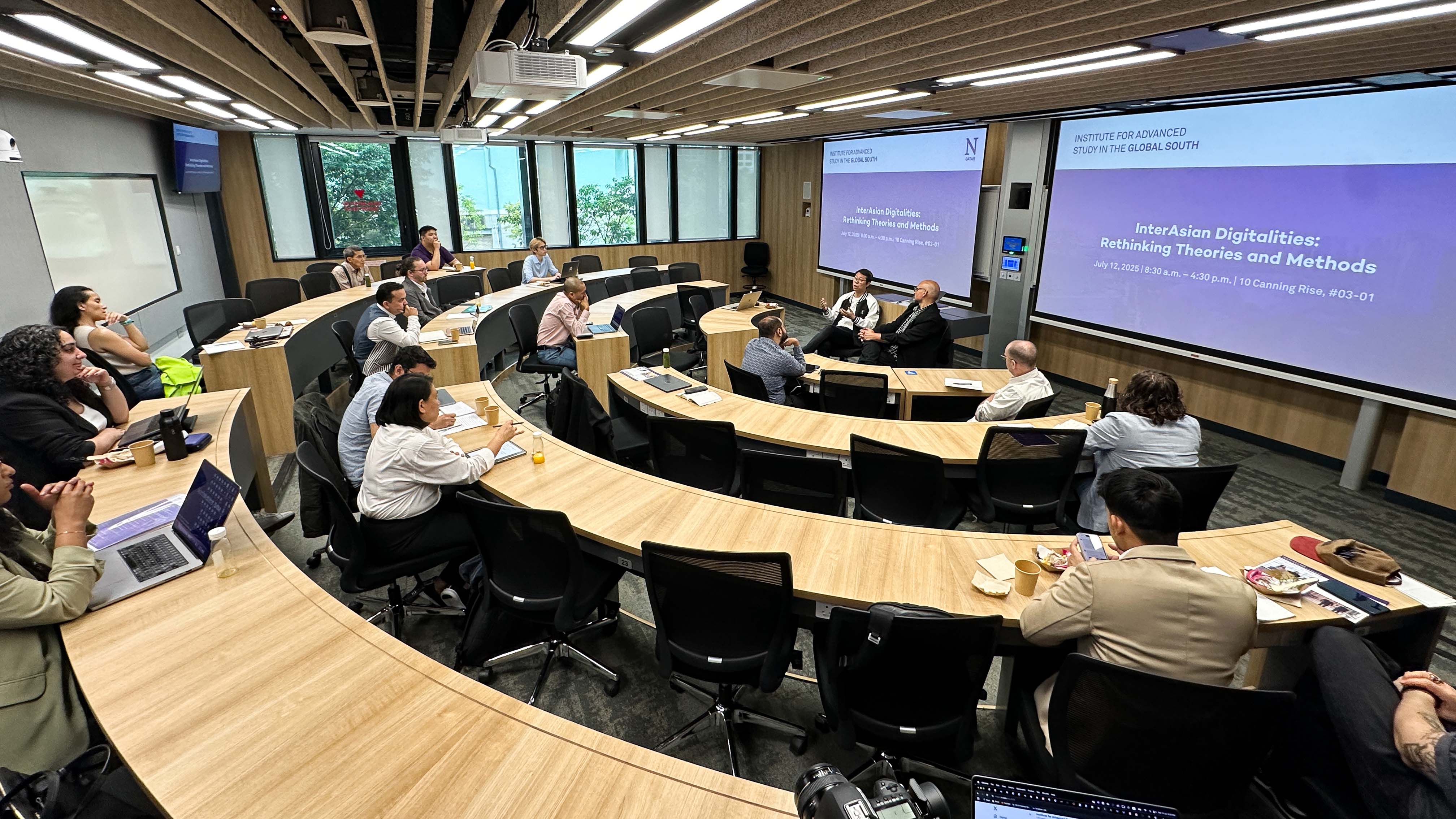 This special issue is the culmination of the two-year InterAsian Digitalities initiative, developed through workshops, panels, and conferences in Australia, Lebanon, New Zealand, Qatar, and the United States.
 -
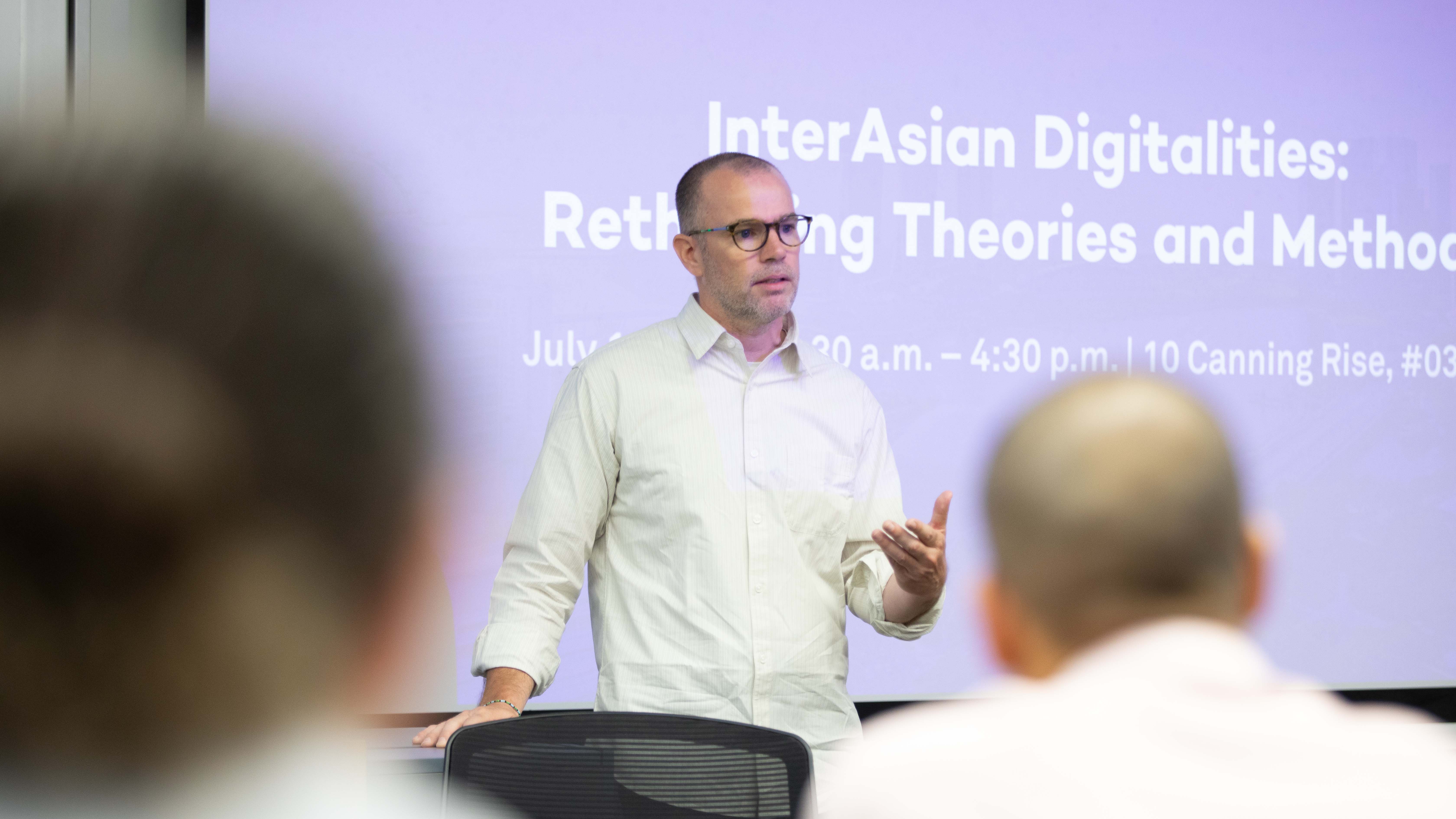 This special issue is the culmination of the two-year InterAsian Digitalities initiative, developed through workshops, panels, and conferences in Australia, Lebanon, New Zealand, Qatar, and the United States.
 -
This special issue is the culmination of the two-year InterAsian Digitalities initiative, developed through workshops, panels, and conferences in Australia, Lebanon, New Zealand, Qatar, and the United States.
-
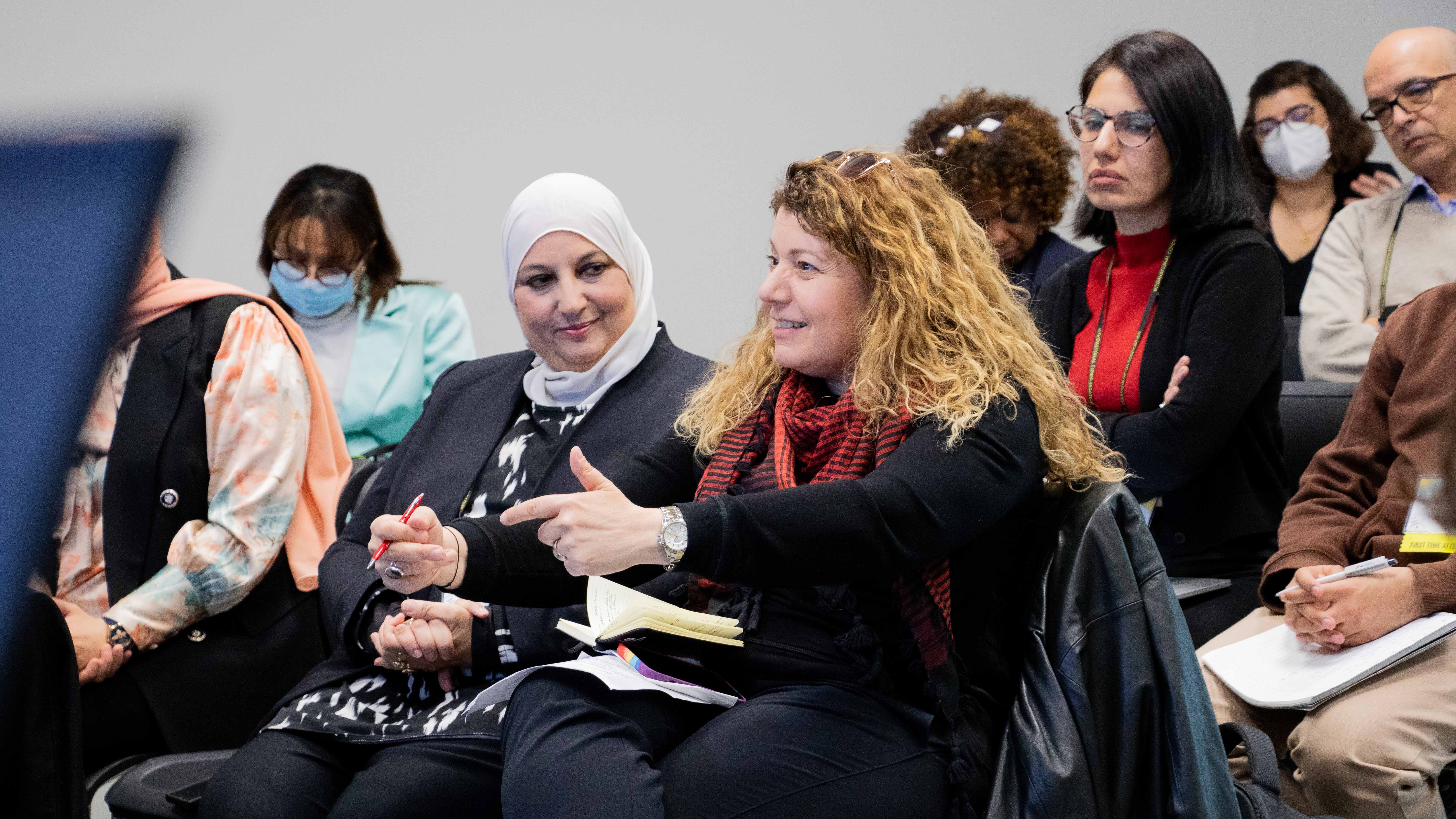 This special issue is the culmination of the two-year InterAsian Digitalities initiative, developed through workshops, panels, and conferences in Australia, Lebanon, New Zealand, Qatar, and the United States.
 -
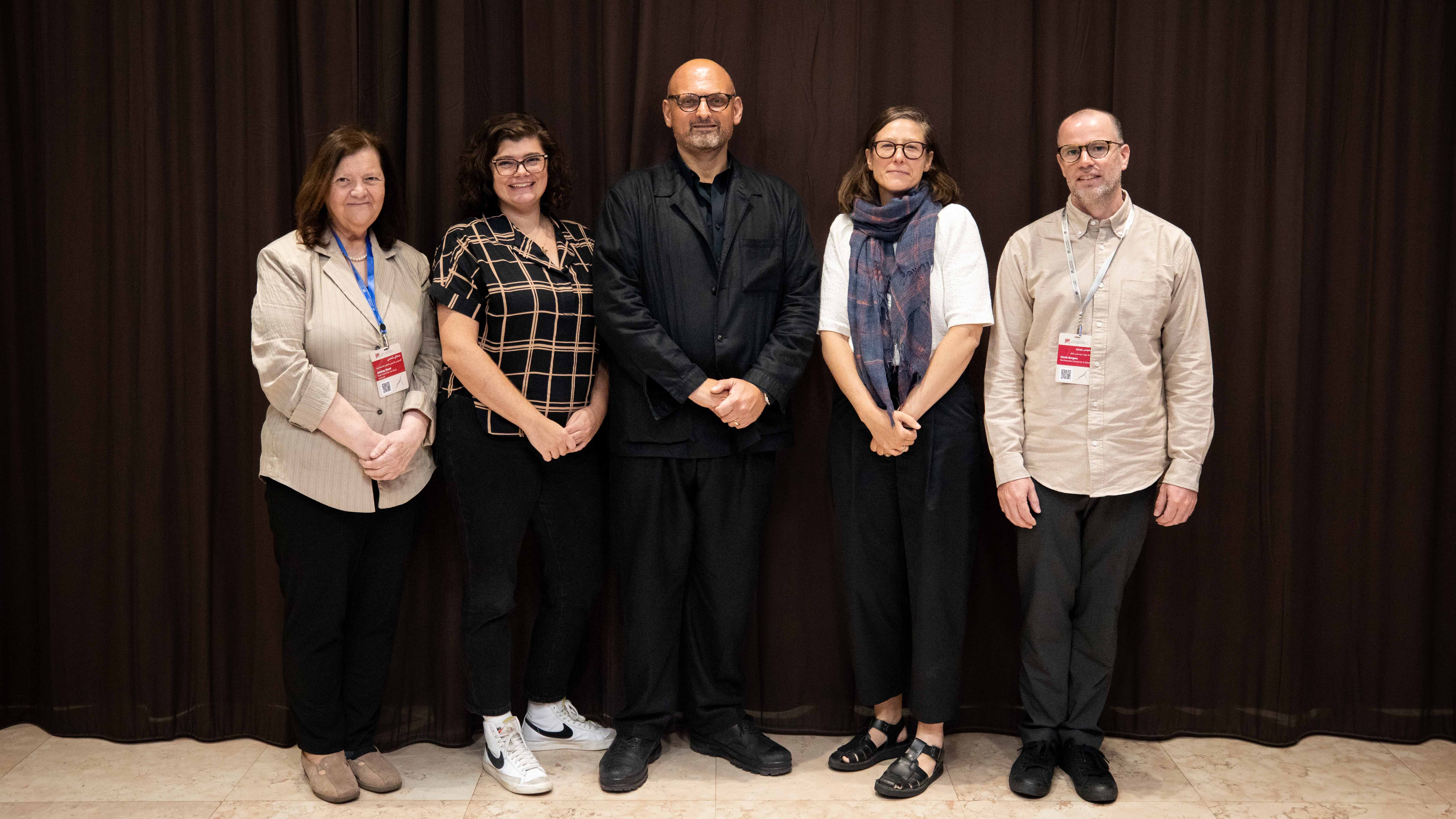 This special issue is the culmination of the two-year InterAsian Digitalities initiative, developed through workshops, panels, and conferences in Australia, Lebanon, New Zealand, Qatar, and the United States.
The first paper, “Moving away from national identity: Language as an analytic in global media research,” is by Sulafa Zidani, assistant professor at Northwestern University and an affiliate of the Institute. The article draws on interviews conducted in English, Arabic, and Chinese with meme makers to explore practices related to multilingual meme-making and circulation. Zidani proposes “languagemixing” as an analytic for studying how youth express their frustrations with globalization creating shared affects across multilingual contexts.
In “Imagining India: Situating Bollywood and yoga in Egyptian online/offline worlds,” Ada Petiwala, assistant professor at the American University of Beirut, explores how “India” as an imaginary rather than a material place is “consumed” in Egypt both two Indophile yet vastly different communities. Tracing their “separate online/offline social worlds,” Petiwala examines how multiple kinds of “Indianness” are consumed in Egypt and how these manifest along class and elite lines, disrupting both national and regional constructs and highlighting “Indianness” as an Egyptian as much as an Indian phenomenon.
Harsha Man Maharjan, a global postdoctoral scholar at #IAS_NUQ, revisits the concept of “Asia as Method” as originally developed by Yoshimi in the 1960s to propose a new framework for the “practices and processes of national identification” in contemporary Asia in his paper “An InterAsian Digitalities framework: A proposal for digital identification systems studies.” Maharjan argues that an InterAsian approach that emphasizes comparisons across “nearby geographies” and Asian studies of “Asia problems” opens new avenues for understanding the transnational dimensions of the current push to digitalize national identification systems across Asia, and beyond, in the Global South.
“Temporal scale-making: Gwadar port city and global technology networks,” by Ayesha Omer, assistant professor in the department of anthropology at York University, draws on ethnographic research in Gwadar, Pakistan, and looks at local actors and networks of relations that legitimize, emplace, or disrupt transnational digital infrastructures. Meanwhile, #IAS_NUQ Global Postdoctoral Scholar Mariam Karim proposes an approach to InterAsian Digitalities informed by the notion of Nazrah Arabyya, or the Arab feminist lens, in her article “Feminist InterAsian Digitalities: Nazrah Arabyya.”
The issue concludes with a reflection by Professor Bilge Yesil of the College of Staten Island, entitled “InterAsian Digitalities: Rethinking the digital and the global,” where she draws attention to how“digitalization [...] must be read through the lens of uneven globalization and contested socio-technical systems.”
The Institute continues to shape global scholarship with this major scholarly contribution, driving Northwestern Qatar’s focus on excellence and collaboration across geographic and intellectual boundaries. The issue consolidates a growing #IAS_NUQ tradition of original research advancing digital studies in the Global South.


